Horsing Around
Alistair MacQueen is a luxury-lifestyle writer and editor based in London, and has hit the slopes of Crans Montana, Dolomites, Jackson Hole and Lake Louise and danced all night on the slopes of St. Moritz. He has, however, only ridden a horse twice…
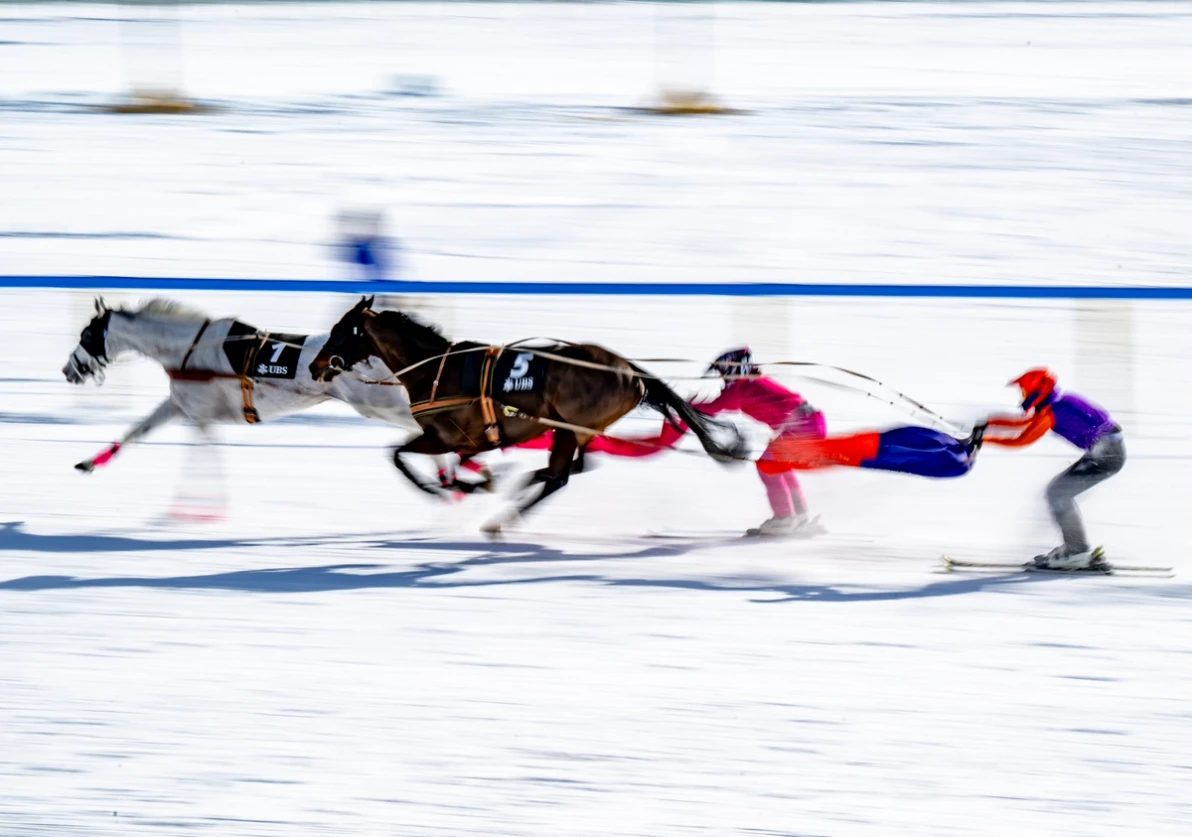
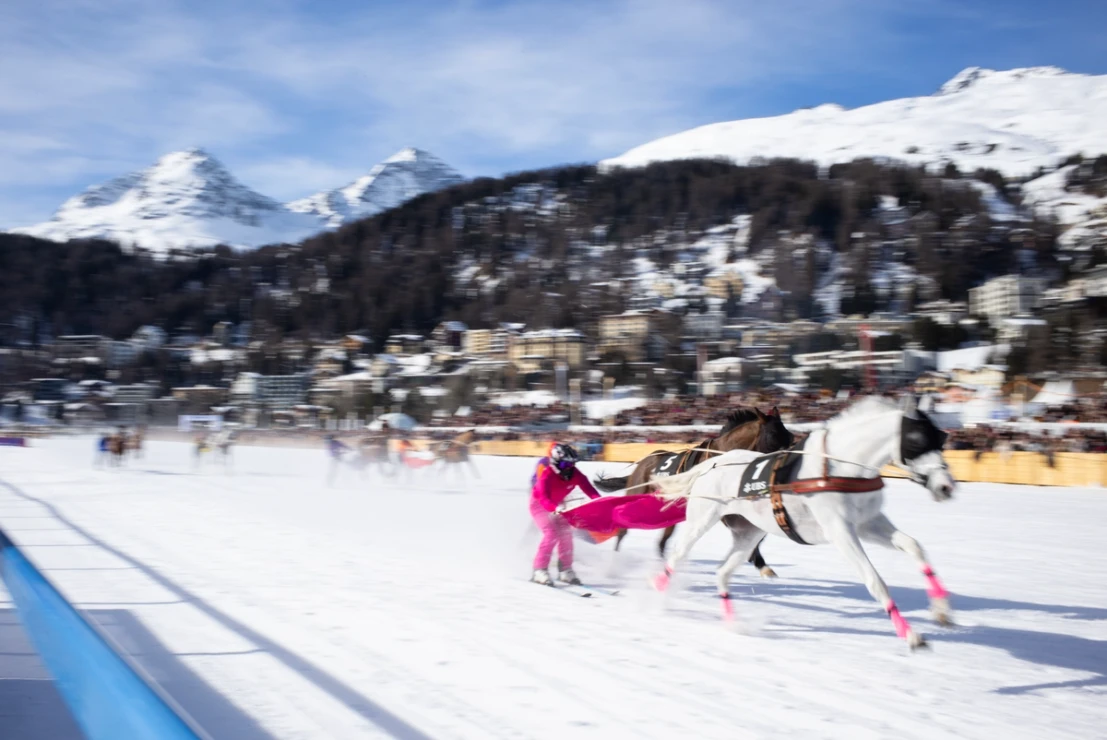
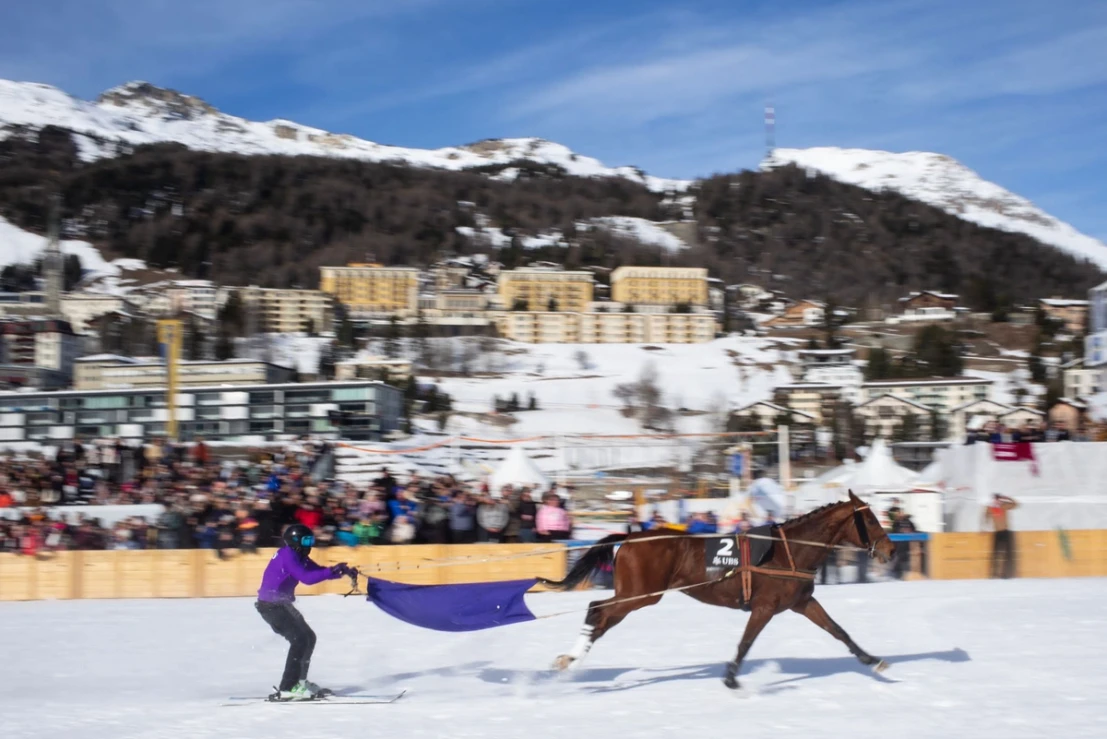
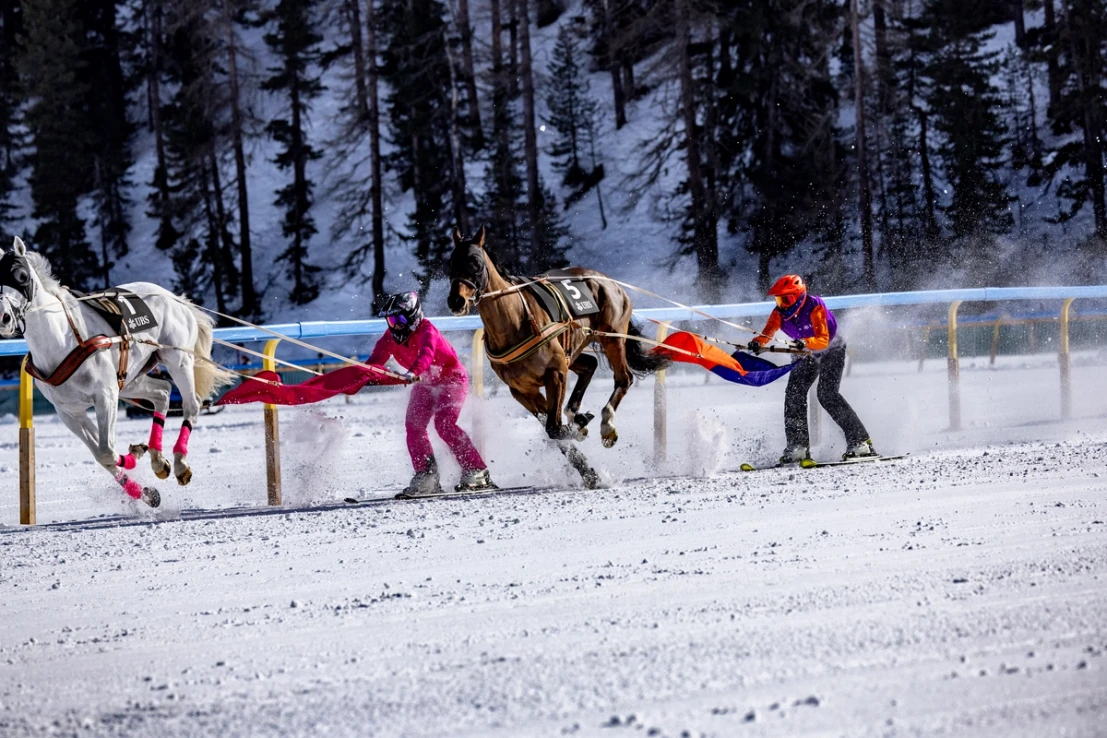
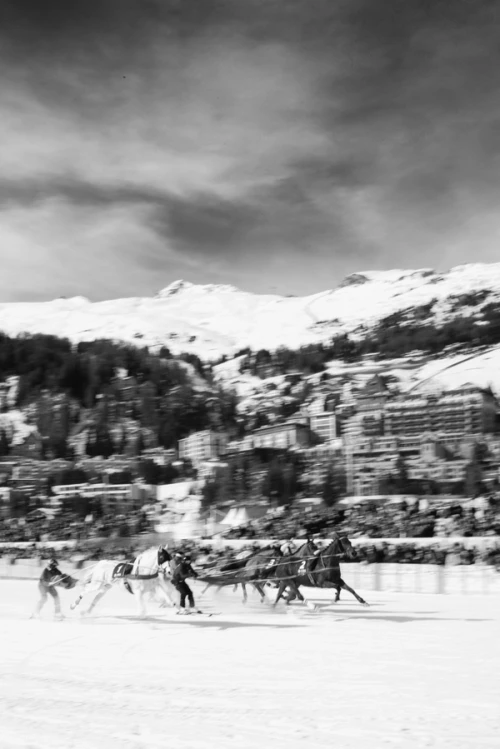
In the winter, Lake St. Moritz is transformed into an arena of equine excitement, with the frozen lake converting into a powdery terra firma for around 30,000 people who come together to socialise, watch the racehorses, and cheer on the courageous racers taking part in the fast-paced action of skikjöring.
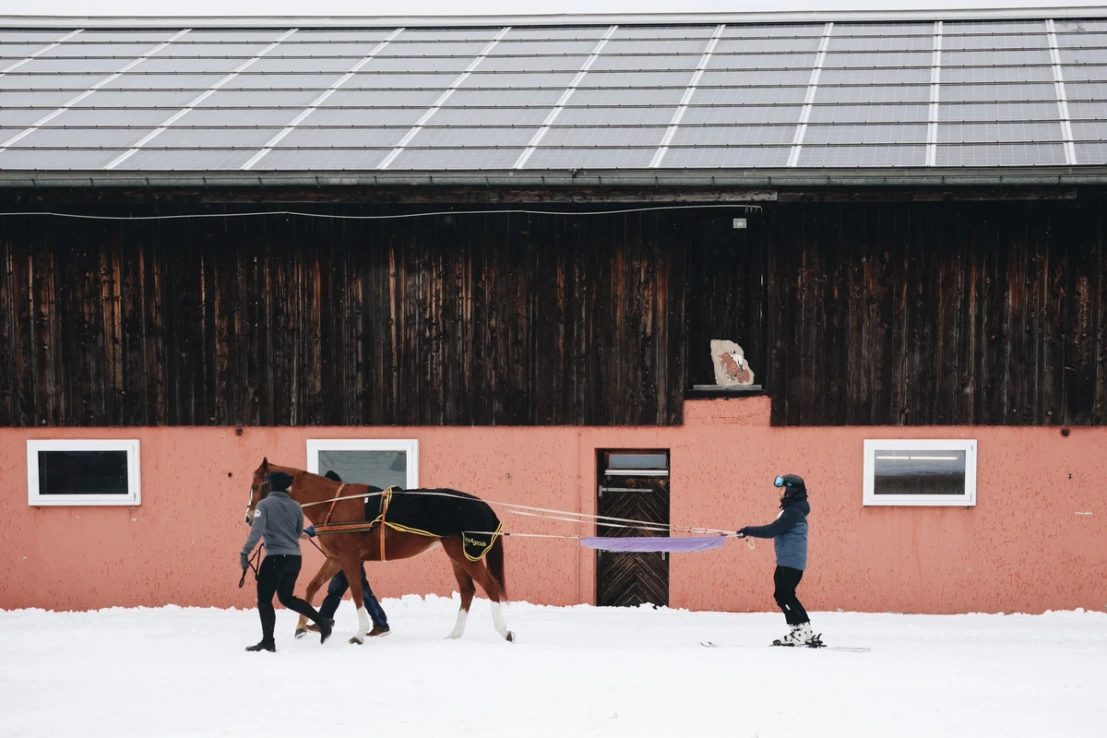
This adrenaline-fuelled spectacle, which has its roots in Scandinavia in the early 20th century, has been part of the White Turf event since 1907. The event involves 8 to 12 racers who expertly guide their horses around the breathtaking 2,700-metre skikjöring course, each competing in three heats to take the most points and win the ultimate accolade of being crowned the King or Queen of the Engadin.
Saddling Up
So, what draws people to a sport that involves going from standing still on a frozen lake to being propelled into a thrilling race with racers pulled by their powerful horses, thundering along at speeds of around 55 kph?
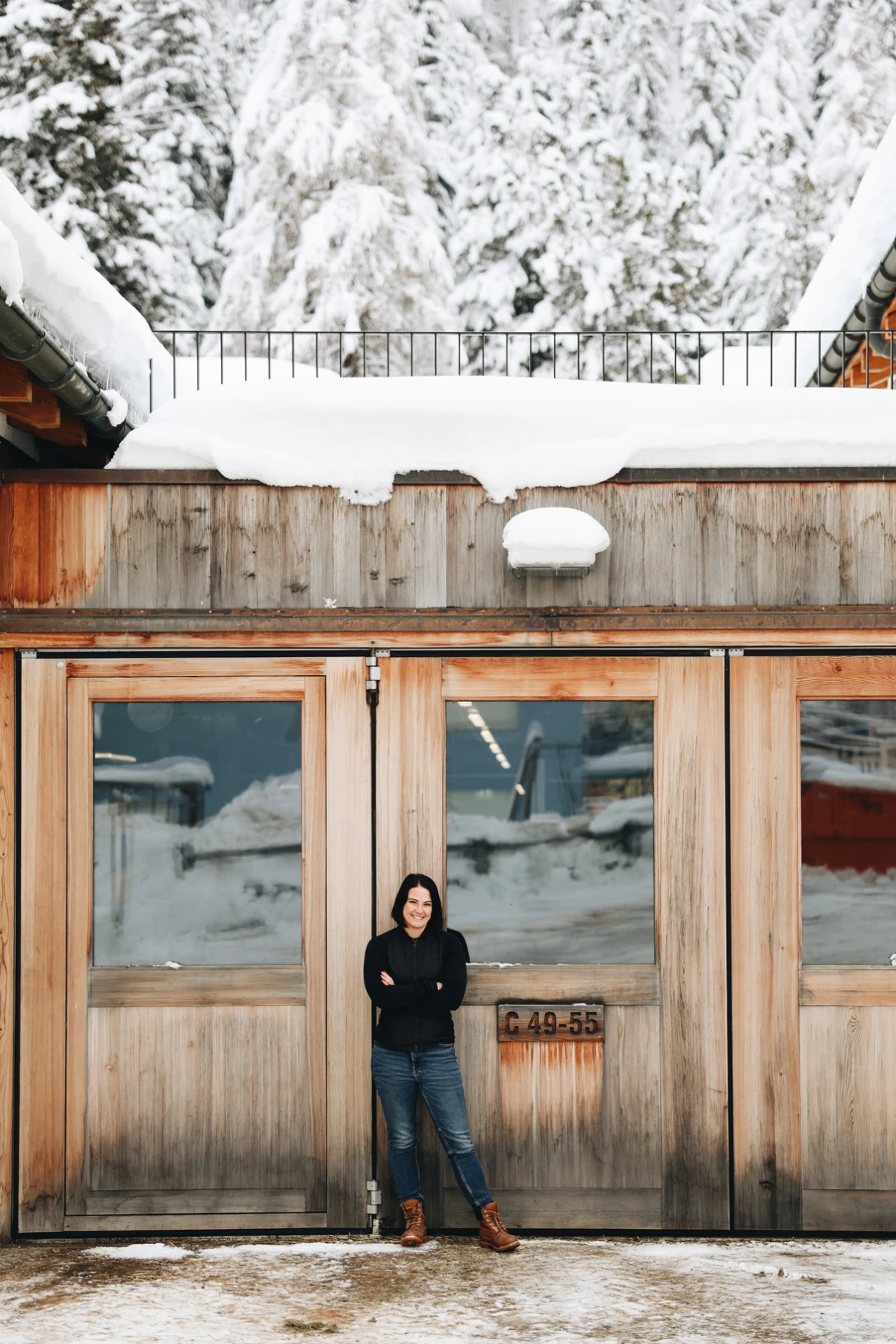
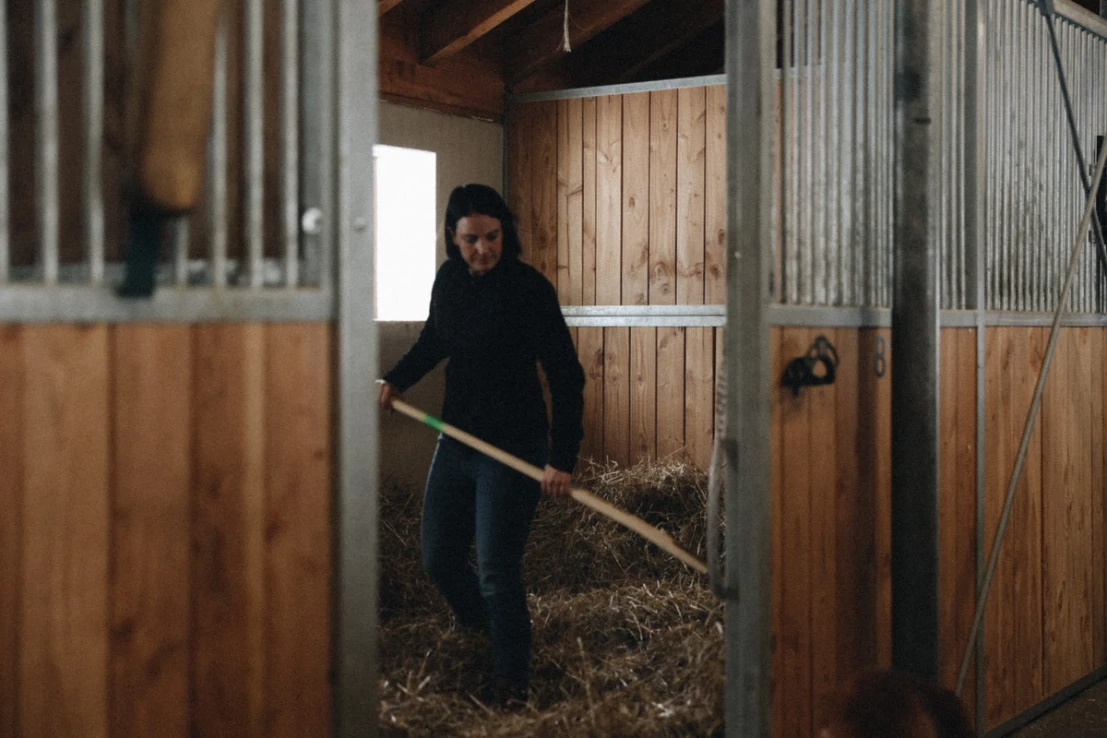
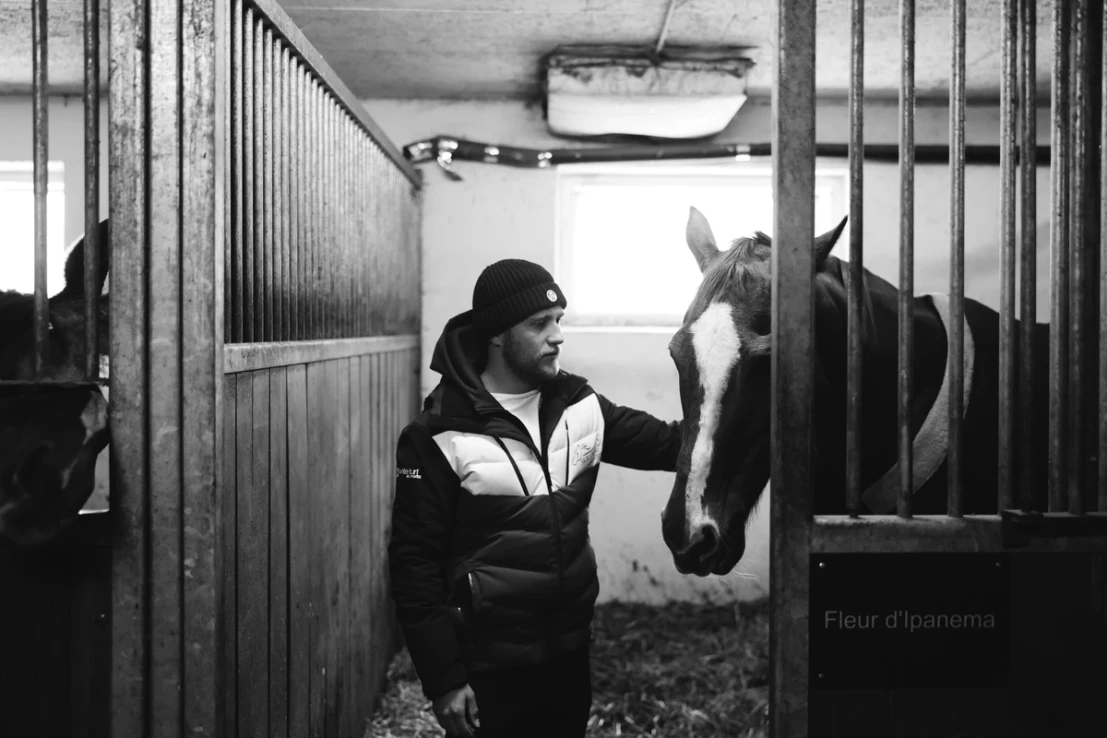
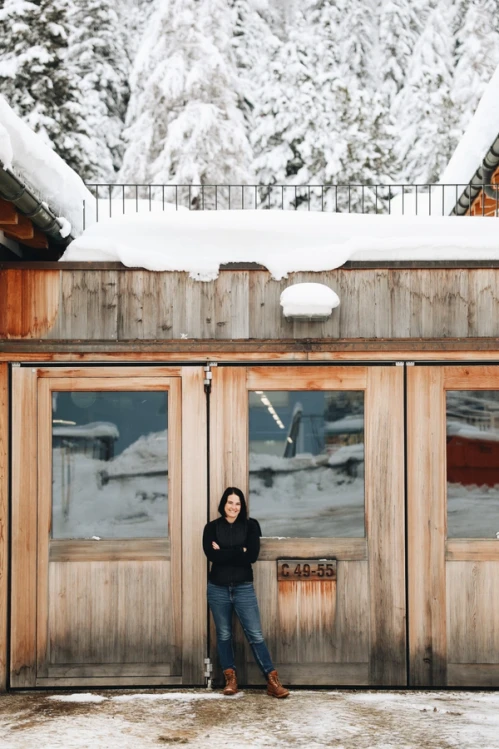
Two people who know are Fabrizio Padrun and Valeria Schiergen, both riding in this year’s skikjöring races. Fabrizio competed for the first time last year, while Valeria has been crowned the Queen of the Engadin three times since her debut competition in 2009. Her introduction to skikjöring was born out of her family’s connection with the sport (her father raced in the White Turf events and was a skikjöring driver, too), as well as her own passion for horses from a young age. “A good friend of my parents had a racing stable, and during the White Turf event, they would often be in St. Moritz, so I would visit the stables, clean them out and stroke the horses. One year, a trainer asked if I rode and put me on a racehorse. I’d never ridden before, but I loved it! I started riding properly in the summer of 2005 in Germany, at the stables where my friends had horses. Once that connection had been formed, I had to wait until I was 18 and old enough to take the exams to obtain my skikjöring licence.
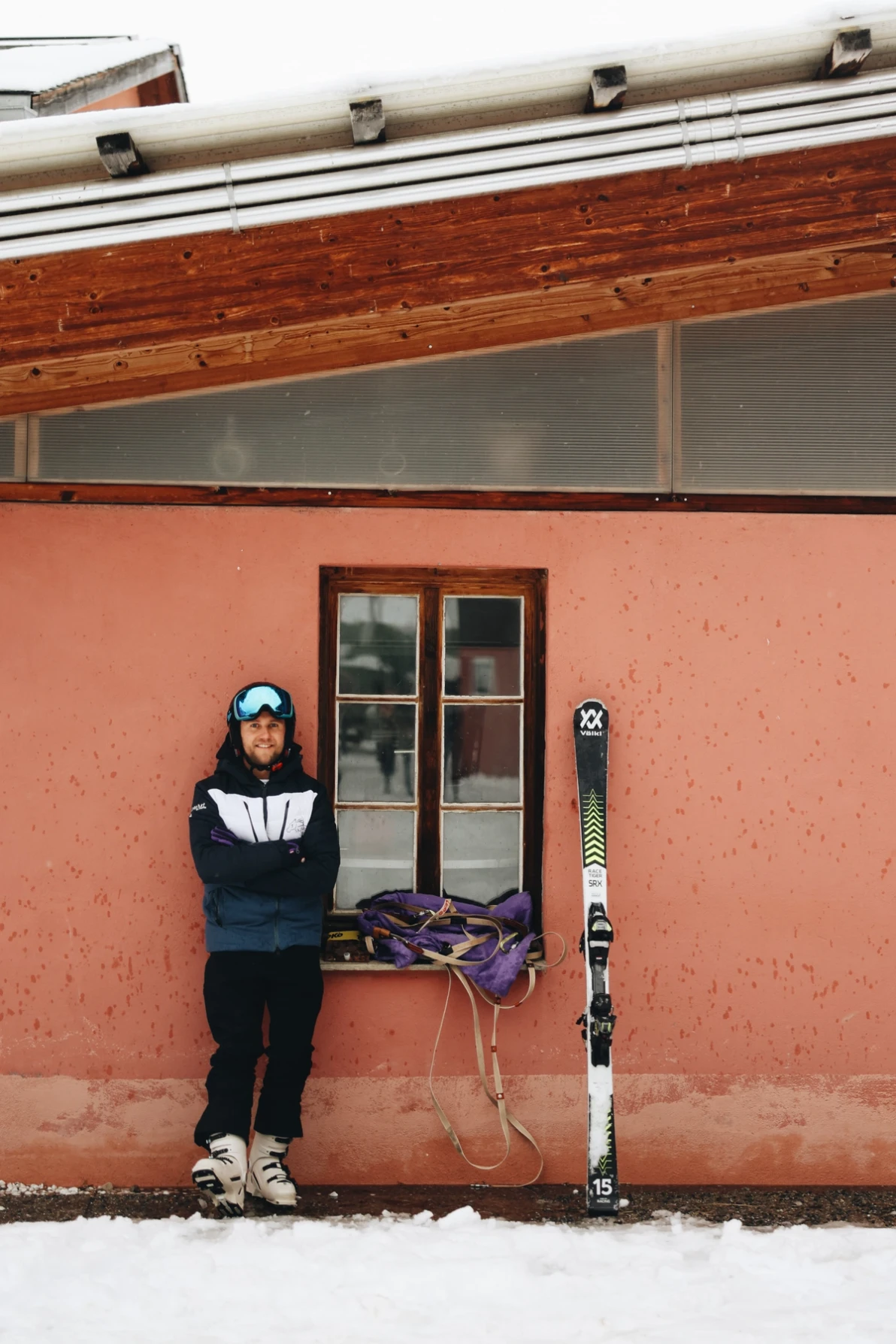
Fabrizio’s route into skikjöring couldn’t be more different. In fact, it was far from something he had ever prepared for, or even thought about. “I was with my girlfriend on Lake St. Moritz in 2022. She was wearing her Chalandamarz dress, which she wears when presenting the prize to the winner of the horse races. The really experienced skier, driver and jockey, Alfredo Lupo Wolf [a former competitor in the White Turf races], came up to us and said, ‘Do you know anyone who's good at skiing? I'm looking for someone young for skikjöring, because we need to have new people getting out there’. My girlfriend just pointed straight at me and said, ‘Well, he’s good at skiing…’”
With “why not?” going through his mind, Fabrizio decided to take up the challenge. Before he was allowed to suit up for a race, though, there were three skikjöring exams to complete: an equestrian test that involved skiing a predetermined parkour; one on the rules and regulations of the sport; and a practical examination. Was it ever a dream of his to compete in the sport? “Every year when I was young, we would go to the lake to watch the skikjöring and cheer on the racers, and really enjoyed it, but if you’d asked me about 10 years ago, I would have said it's too crazy; I would be too afraid to do it.”
Calm Before the Storm
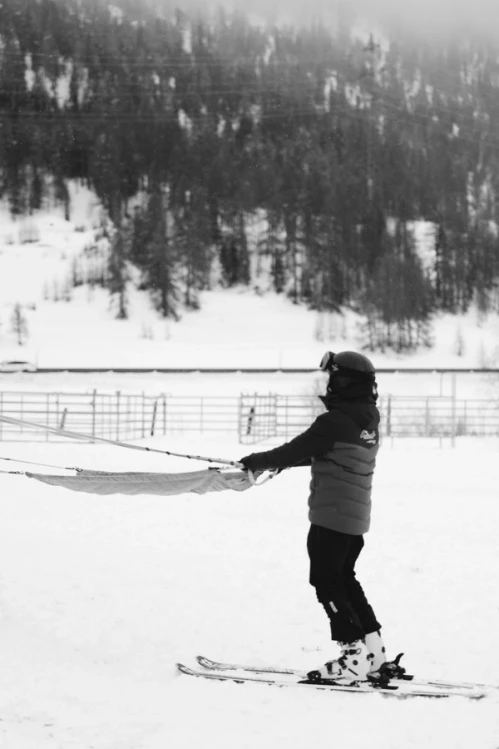
Skikjöring is just as dangerous as any other horse race, but the precautions the racers take, the skill and professionalism they ride with, and the developing technology used in the sport all ensure that risk of injury is significantly reduced, as Fabrizio explains. “Normally there are 8 to 12 people on the racecourse, so an accident can happen really fast. That’s why the equipment has been improved – for example, the guiding ropes attached to the horses are equipped with small explosives. If your hands break free of the controlling ropes, this is detected, the detonators are triggered, and the ropes drop to the floor. If this didn’t happen, other horses could become entangled in those ropes and fall, which would be highly dangerous for everyone on the course.”
Fortunately, even small innovations such as this can make a significant difference to the sport and ensure that each racer, and each horse, leaves the course to celebrate another successful run.
A pre-race routine is also a big part of a racer’s day in the hours prior to the actual event. The racers all spend some time getting into the zone and mentally preparing for when they’re hurtling along on the racecourse, with each racer approaching their build-up to a race differently. Fabrizio usually walks along the starting boxes checking that everything is installed correctly and is level, before walking the entire course. He pays close attention to the location of the various dips and any soft spots that could potentially cause horses to slip and have an accident.
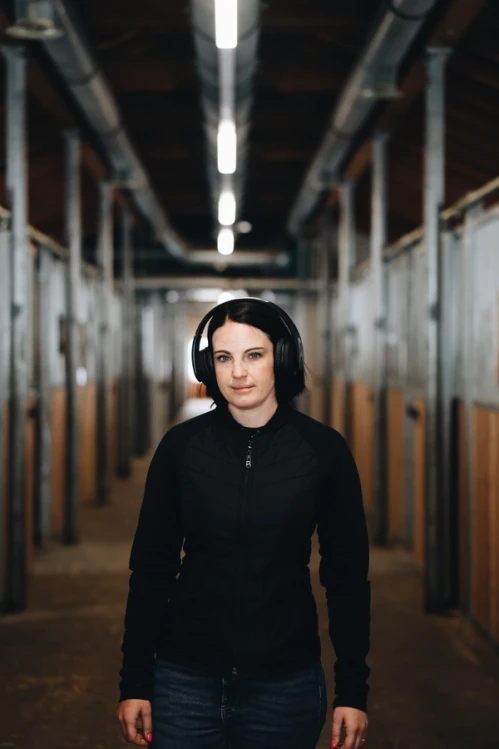
As for Valeria, her preparation involves walking the course too, but with other things helping her to focus. “I usually go down to the track, talk to the groomers, and then I take a walk around the course listening to Eminem on my headphones. There’s no special song, just a mix, but as I’m listening and walking, I’m doing the race in my head and thinking about tactics: how I like to do the race; if I’ll go in front or at the back; who is next to me in the lineup; how they’ll start; where they will be at a specific point, and where I will be.”
Leaders of the Pack
In addition to this preparation, the racers’ day jobs and hobbies can help give them the edge when trying to run their best race. Valeria says, “My role as a junior marketing manager of the sports company Head in Switzerland involves having an eye for talent and technique – recognising this and projecting how things will turn out (for potential athletes) in the future. When I know which horses are racing, I go online to check them out, looking at the kinds of races they’ve done, at what moment they’re going to pull out in front, whether they come in late… It helps me to get an overview of the whole race. My husband thinks I’m crazy, but it means I get to know the horse as much as its driver.”
For Fabrizio, it’s his passion for sailing on vessels and boats ranging from foiling dinghies to 25- metre offshore racing yachts that makes a difference to his skikjöring racing style. It’s where he feels at home, whether it’s onboard steering or fine-tuning the sail settings and tactics on a water-based racecourse. “For me, it’s similar to sailing, because you have to do a lot with ropes, and then you have a lot of tactics. You have to be aware of a lot of things strategically in a yachting race: where you’re going to position yourself on the racecourse; when you should decide to go faster and when you go slower with the boat – and this is exactly the same with the horse and skikjöring.”
For Valeria, the sport has also been about making a mark and breaking the mould. Up until 2009 when Valeria first raced, there had been no female competitors – and her first win in 2017 triumphantly challenged this stereotype. For Valeria, results clearly speak louder than words: “I always say, don't fight against them – just show them with results and your performance in the sport.”
Her skikjöring track record is impressively strong, and as she prepares to compete in this year’s event, we ask her when she will know that the time has come to hang up her trademark pink bib and retire. “I never thought about it, but maybe when my body says to stop, if I’m too old – or perhaps when I start feeling scared of skiing or of the horse, then I will stop, because that would be dangerous to the other racers and horses. But at the moment, I enjoy it – I’m loving it!”