Longing in Large Format
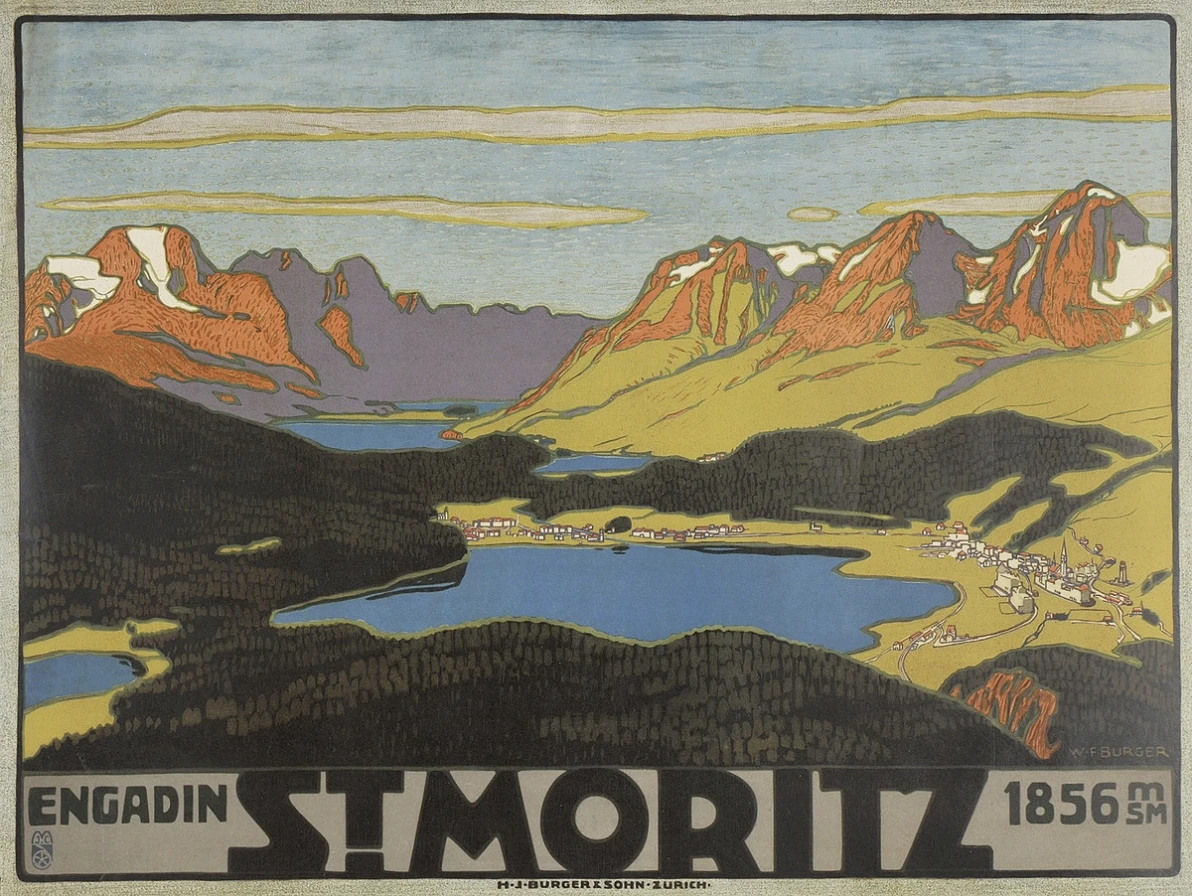
A good poster does not explain much. It has only a few moments to do its job: attract attention, convey an idea and remain in the memory. St. Moritz recognised this power early on and developed a visual language that shaped the destination for decades. The current exhibition at Villa Bührle in Zurich shows how significant this form of communication has been in the history of Swiss graphic design.
The exhibition leads visitors through three major chapters in the history of Swiss poster design: tourism, consumer goods and culture. Emil Cardinaux’s monumental “Zermatt” from 1908 appears alongside Walter Herdeg’s winter vision of St. Moritz from 1937. Along the way are Cuno Amiet’s invitation to the Bahnhofbuffet Basel, Herbert Leupin’s Pepita parrot, a historic Sprüngli design and more recent cultural posters. Mountains, trains, mineral water, chocolate and concerts are each distilled into a single powerful visual idea.
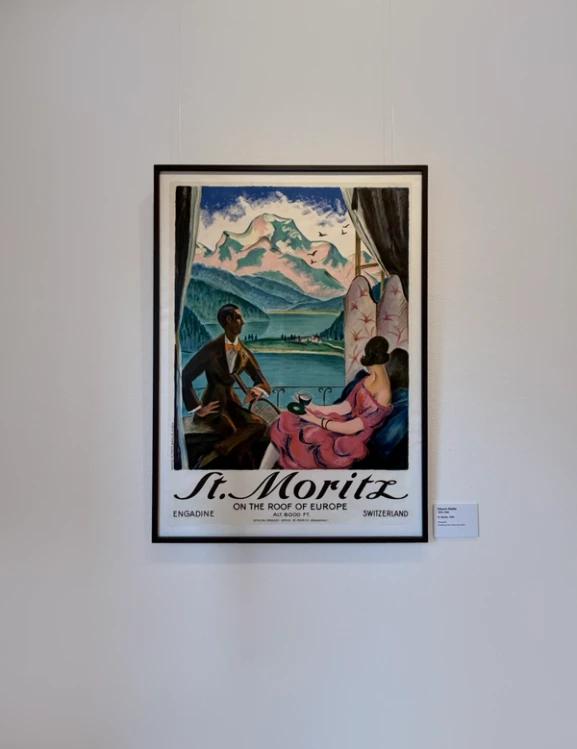
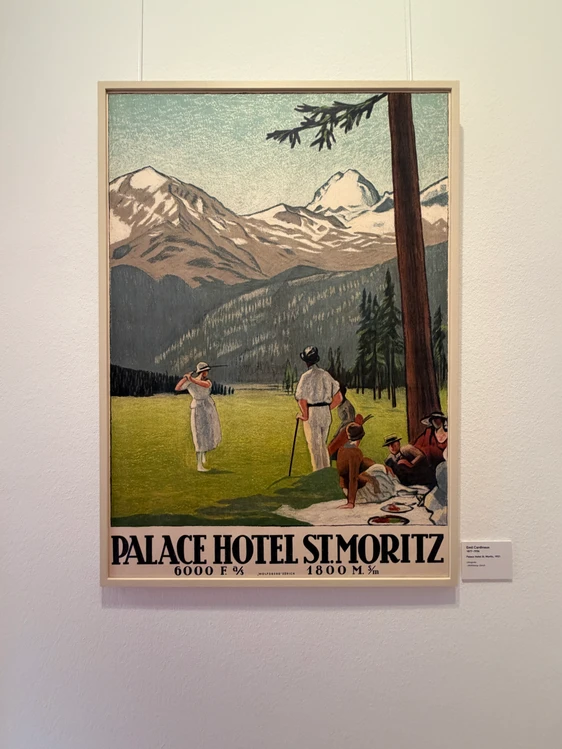
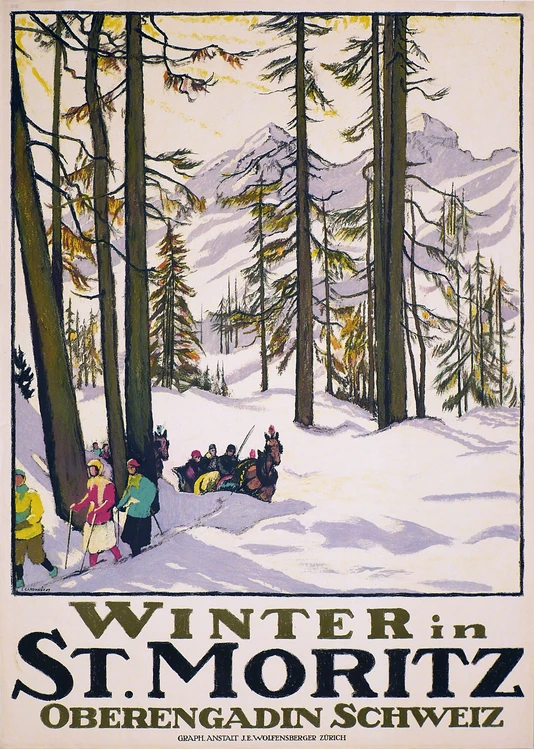
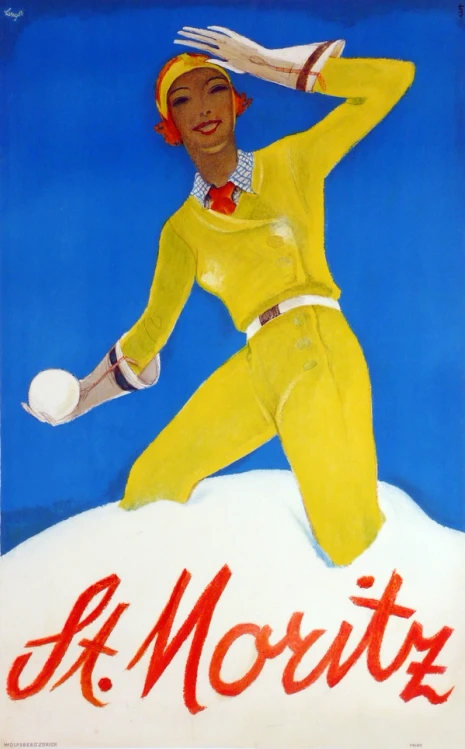
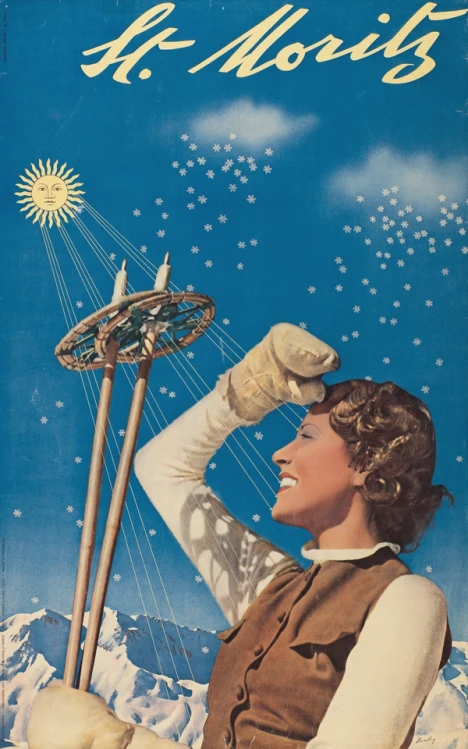
St. Moritz occupies a special place in this history. From 1932 to 1938, Walter Herdeg worked almost exclusively for the St. Moritz Tourist Association. He did more than create posters for the destination: around 1932, his studio also designed the sun emblem and distinctive wordmark that remain in use today. Together, they form what is regarded as the world’s oldest surviving tourism trademark.
Herdeg combined photography, graphic design and typography to create a visual language that was new for its time. His posters portrayed St. Moritz as a place of light, sport and effortless elegance. This was by no means limited to winter: in his 1934 summer poster, a female diver brings together light, air, water and movement in a modern vision of alpine life. His work therefore did more than advertise a season: it conveyed a way of life and gave the destination a distinctive visual identity early on.
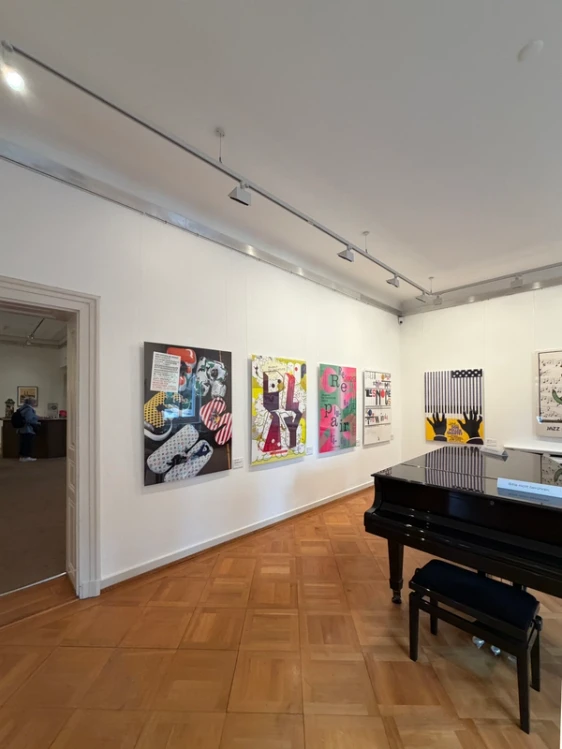
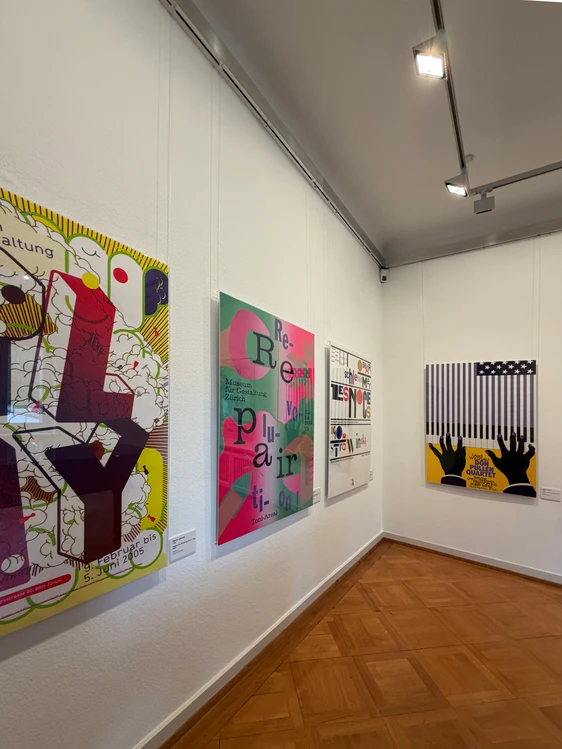
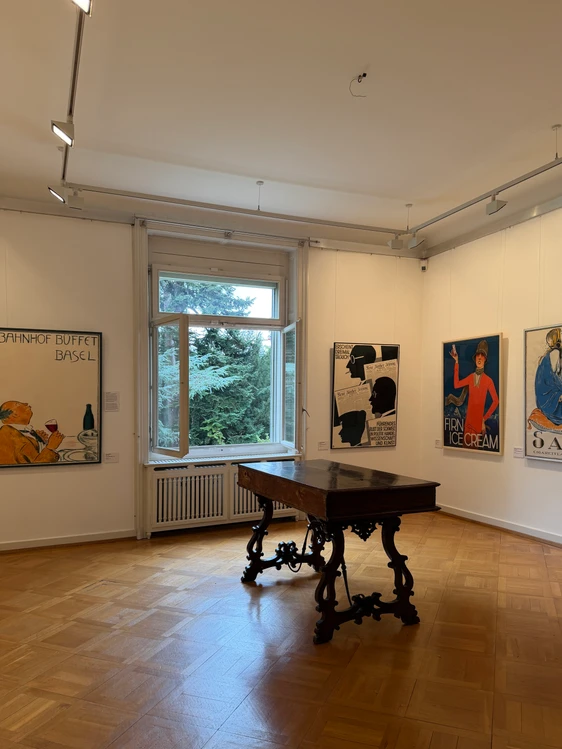
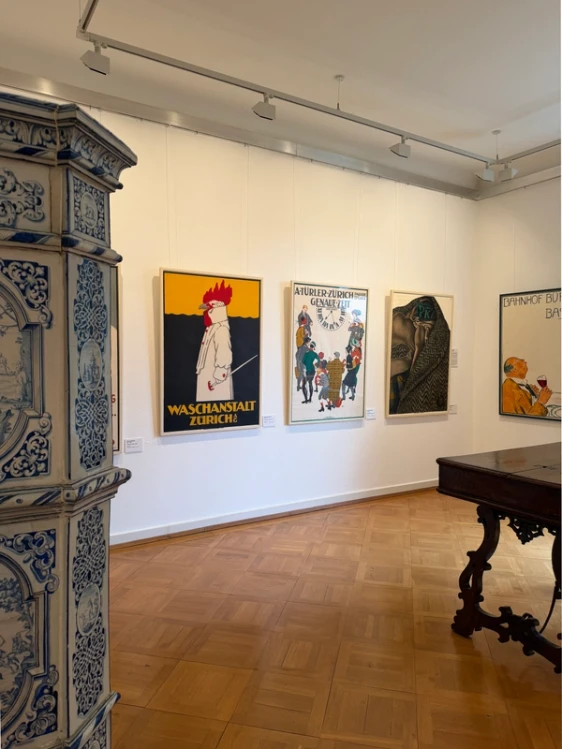
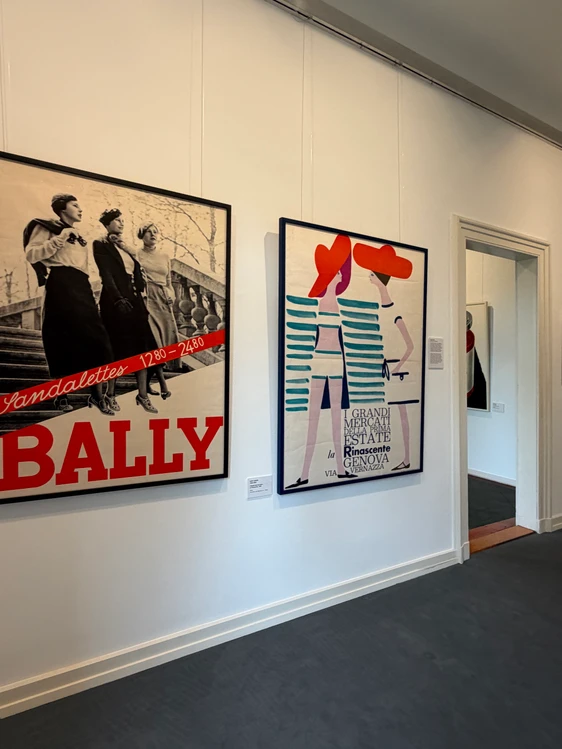
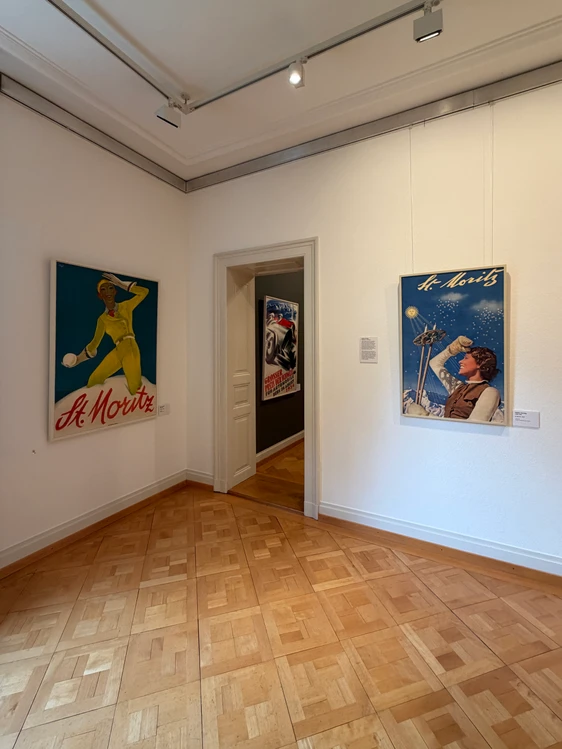
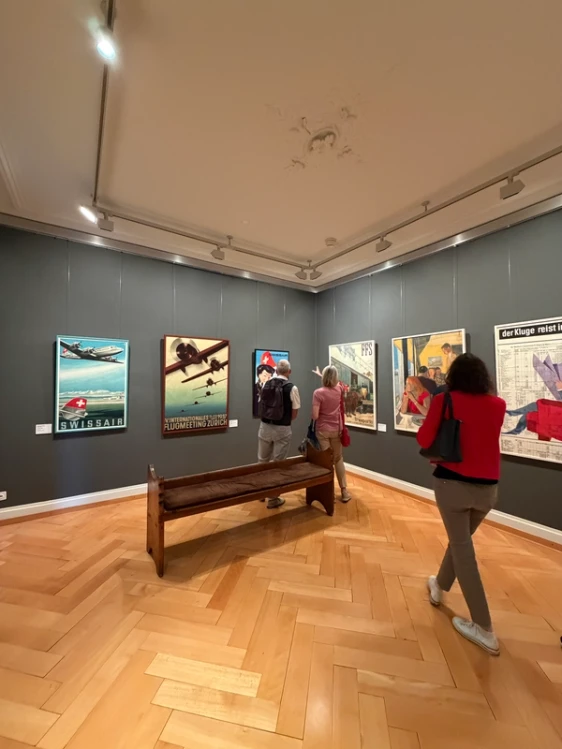
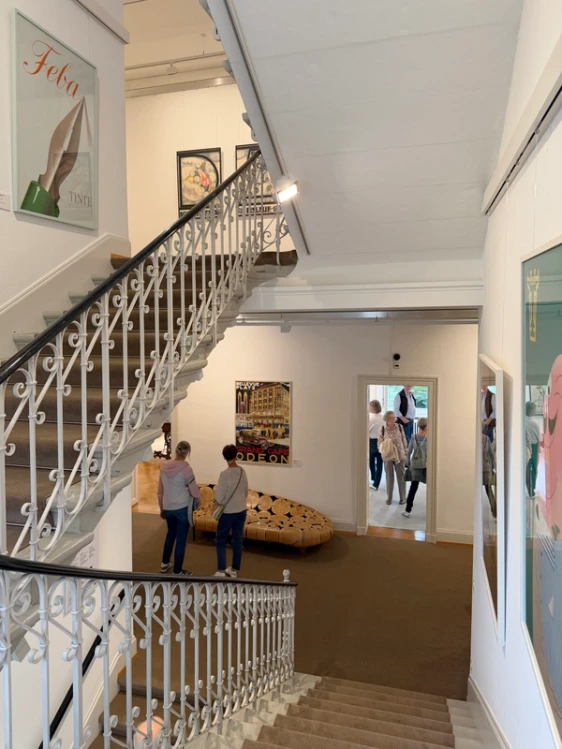
The Zurich exhibition treats the poster as more than a nostalgic collector’s item. Short films about Swiss poster art and the restoration of historic originals also reveal the craftsmanship behind the images. More recent cultural posters show how this tradition continues to evolve.
Perhaps this is precisely where the enduring power of the best posters lies: they do not try to show everything. They leave enough out for the imagination to do the rest.
Selected historic St. Moritz designs are available as posters and art prints from the St. Moritz Online Shop
«Highlights of Swiss Poster Art»
18 September–18 October 2026
Villa Bührle, Zollikerstrasse 172, Zurich
Admission free
vipart.ch