Georgia Hauser: Finding Your Own Rhythm
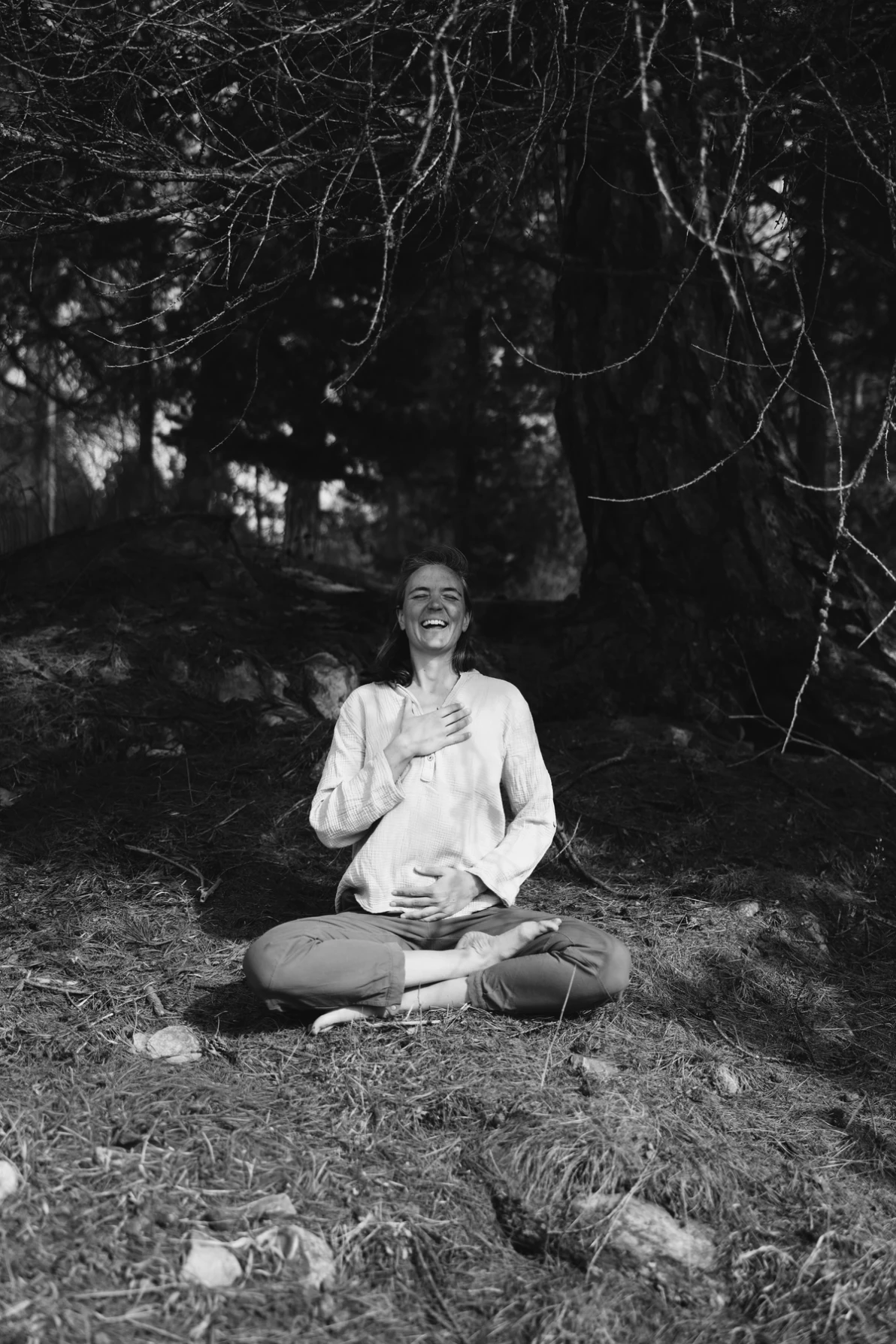
For Georgia Hauser health cannot be reduced to a single discipline, technique, or trend. It is something far more dynamic: a living relationship between body, mind, and energy that must be experienced rather than simply understood. Over the years, Georgia has explored a wide range of fields connected to human performance and well-being. Rather than committing to one rigid framework, her work gradually evolved into an integrative concept that combines scientific knowledge with body awareness, breathwork, and a broader reflection on human potential. Yet even after years of study and practice, she considers the journey far from complete.
“Learning never really stops for me. I am still fascinated by so many different topics. I think science is only touching the surface of human potential.”
While modern research has brought remarkable clarity to certain aspects of physiology — breath, for instance, is now well understood in many respects — Georgia believes there are still vast areas where our understanding remains incomplete. The power of thought, the flow of energy not only through the body, humanity’s relationship with nature, and even aspects of quantum physics are all fields that, in her view, hint at deeper connections we are only beginning to grasp. Alongside scientific discovery, she is deeply interested in indigenous and traditional practices that have worked with these ideas for centuries. Often, she says, it feels as though ancient cultures intuitively understood principles that modern science is only now starting to investigate. When scientific curiosity meets ancient wisdom with an open mind, she believes something powerful can emerge.

Before dedicating herself fully to holistic health coaching, Georgia spent years working as a paramedic. The experience placed her in situations where life could shift within seconds — moments that demanded clarity, presence, and the ability to act without hesitation. In emergency situations, she explains, there is simply no time for hesitation or second-guessing. You have to be calm, focused, and entirely present in what is happening right now.
“Mental resilience, in my experience, doesn’t mean being hard or suppressing emotions. It means being able to stay grounded even when things become chaotic.”
This environment shaped her understanding of resilience in profound ways. Rather than viewing strength as emotional distance, Georgia came to see resilience as the ability to remain stable in the middle of uncertainty. One of the most practical tools in those moments, she says, is something incredibly simple, once again: the breath. Learning to regulate breathing helped her maintain clarity during stressful situations, a skill that later became central to the work she now shares with others.
Working in emergency medicine also confronted her with an aspect of life that many people prefer to avoid: death. Over time, she developed what she describes as a more natural relationship with it. Death, in the context of her work, was not an abstract concept but a real and present part of the human experience. In many modern societies, she believes, death is often pushed aside or treated as something distant. Yet reflecting on mortality can profoundly change the way we live. When people understand that time is limited, priorities shift. Life becomes more intentional, more attentive, and often more grateful.
Today, Georgia lives in St. Moritz, surrounded by the alpine landscapes of the Swiss Engadin. She often says that she belongs to the mountains, and the environment has deeply shaped the philosophy behind her work. Observing nature closely, she explains, reveals a level of complexity and harmony that is both humbling and inspiring. Forest ecosystems, for example, are not simply collections of individual trees. Beneath the soil lies an intricate network through which trees communicate with fungi, exchanging nutrients and information in ways scientists are only beginning to fully understand. It is a system built on balance, cooperation, and constant adaptation to changing conditions.
“When you start observing nature more closely, it becomes truly fascinating. Everything is connected and finely tuned.”
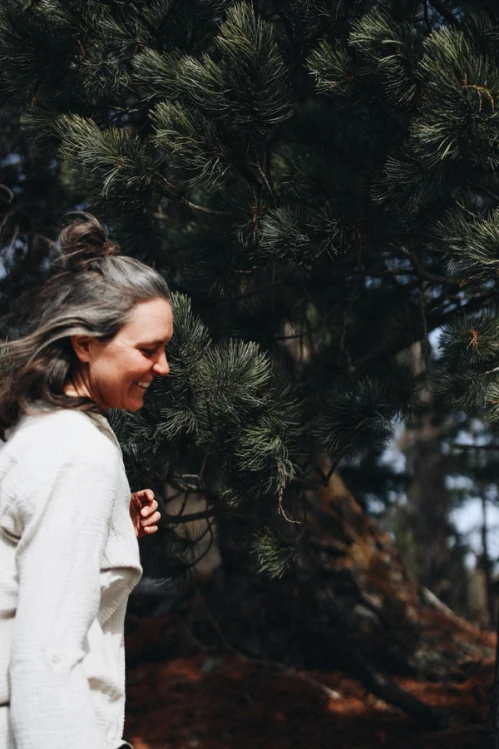
Humans, she believes, respond to this natural harmony more strongly than many people realize. Most people have experienced the sensation of being mentally overwhelmed — too many thoughts, too many tasks, an endless stream of information. Then they step outside for a walk in the forest. The external situation may remain unchanged, but internally something shifts. The mind becomes quieter, breathing deepens, and a sense of clarity slowly returns. The landscapes around St. Moritz, she says, intensify this effect. Their openness and beauty seem to create space not only in the environment but also within the mind.
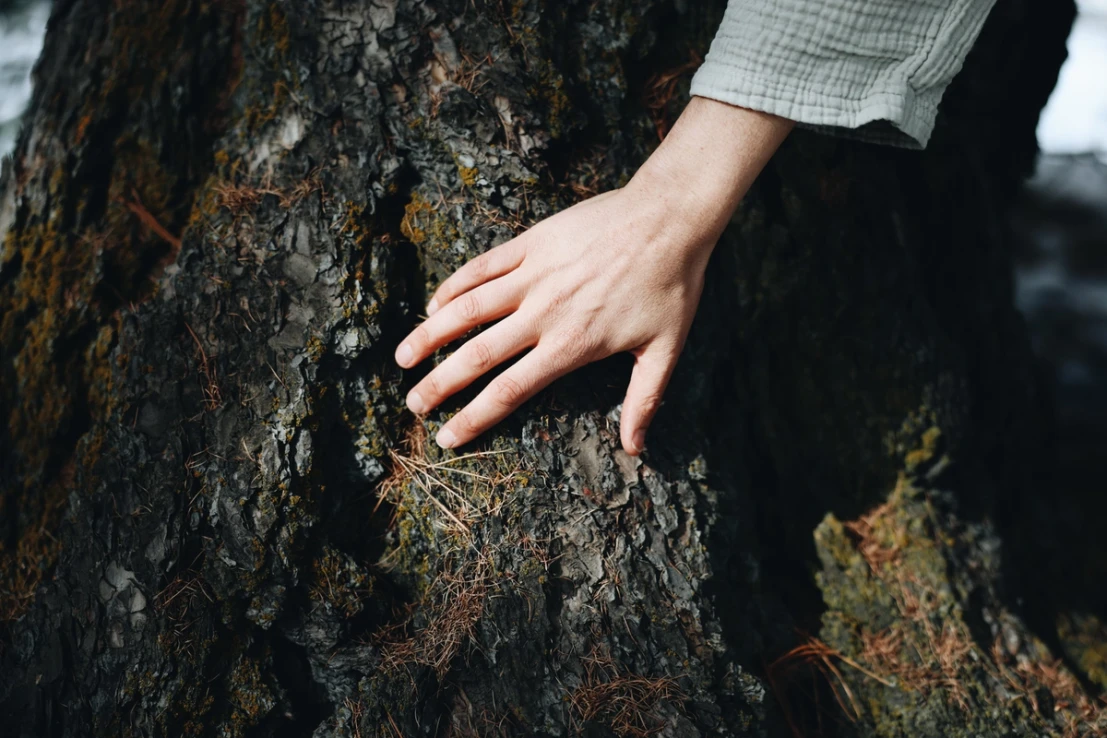
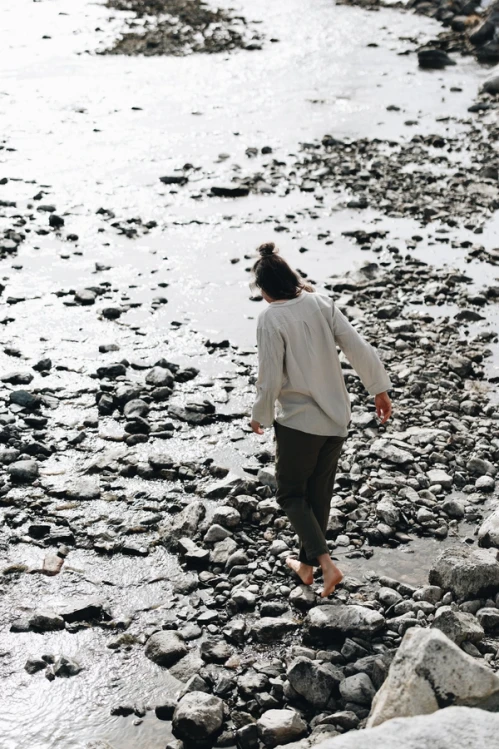
Yet many people today have become disconnected from this relationship with the natural world. Modern life unfolds largely indoors, surrounded by concrete, artificial lighting, and digital screens. In that environment, it becomes easy to forget that humans are not separate from nature but part of it. Scientific research increasingly supports what many people intuitively feel: that even simple contact with the natural world — walking through forests, breathing fresh air, touching the earth — can have significant positive effects on both mental and physical health. Reconnecting with that reality, Georgia believes, is an important step toward restoring balance.
Although her work embraces a holistic view of health, Georgia is careful to emphasize that this perspective does not stand in opposition to science. The word “holistic,” she notes, is sometimes misunderstood as something vague or unscientific. In reality, a growing body of research demonstrates the deep connections between physiological processes, emotional states, and cognitive patterns. Studies on stress, breathing patterns, nervous system regulation, and the gut–brain axis all point toward an integrated understanding of human health.
Although her work embraces a holistic view of health, Georgia is careful to emphasize that this perspective does not stand in opposition to science. The word “holistic,” she notes, is sometimes misunderstood as something vague or unscientific. In reality, a growing body of research demonstrates the deep connections between physiological processes, emotional states, and cognitive patterns. Studies on stress, breathing patterns, nervous system regulation, and the gut–brain axis all point toward an integrated understanding of human health.
Personally, Georgia enjoys understanding how things work and being able to explain them clearly. At the same time, her experience has taught her that not everything can be explained immediately. In her work with people, there are occasionally moments where positive changes occur in ways that remain difficult to fully describe through current scientific frameworks. In those situations, she believes humility is essential. Science continues to evolve, and what seems mysterious today may be better understood tomorrow.
One of the patterns she observes most often in modern life is how disconnected many people feel from their own bodies and emotions. When someone tells her they are anxious, she often asks a simple question: how does that feeling show up in the body? Quite often, people struggle to answer. Their attention has been directed outward for so long — toward responsibilities, information streams, and constant stimulation — that the ability to sense internal states has faded.
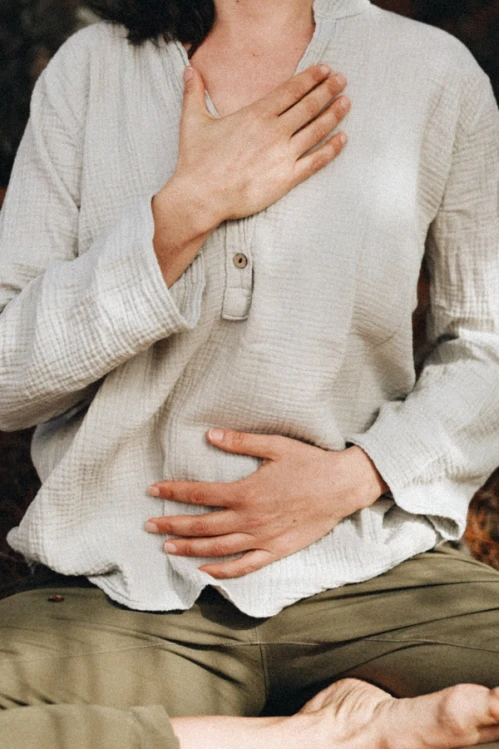
Rebuilding that connection begins with awareness. Mindfulness, in her view, is not an abstract concept but a practical skill — that can also become a lifestyle — and that can be cultivated through simple practices. Sometimes it starts with something as simple as sitting quietly, closing the eyes, and listening — really listening — to what is happening inside without immediately judging it. By allowing emotions to exist without pushing them away, people begin to rebuild a healthier relationship with their inner world.
“The breath is perhaps the greatest gift we have. You can never breathe in the future or in the past. The breath always brings you back into the body and into the present moment.”
At the heart of Georgia’s work lies a framework built around three interconnected elements: energy, body, and mind. Rather than viewing them as separate components, she describes them as parts of a constantly interacting system. Consciousness acts as the guiding force within that system, shaping how people perceive themselves and the choices they make. At the foundation lies energy — the deeper motivation behind a person’s desire for health and growth, the sense of purpose that supports meaningful change.
Supporting these dimensions are five practical pillars that influence physical well-being: breath, nutrition and detoxification, environment, movement, and rest and sleep. Each of these elements interacts with the others, forming a dynamic structure designed to promote self-regulation and long-term balance.
Reflecting on her own journey — from working in the ambulance service to guiding others as a holistic health coach — Georgia believes the most valuable lesson she has learned is the importance of living from the inside out. Listening to one’s inner voice, she says, gradually reveals a personal sense of meaning and direction. Along the way, people begin to understand their patterns, thoughts, conditioning, and habits more clearly. Through that awareness, they gain a deeper understanding of who they truly are.
Health, in this sense, is not merely the absence of illness but a state that includes inner calm and alignment. Living in this way also requires the courage to step away from expectations imposed by others and to trust one’s own instincts and abilities.
To end our chat, we ask Georgia to share with us one of her simplest exercises, that she practices both herself and with her patients when weather is nice: sunrise breathing.
“Sunrise breathing is a simple breathwork practice done in nature during sunrise. The idea is to gently awaken the body and mind by connecting conscious breathing with the quiet energy of the morning.”
The quiet energy of early morning creates a natural moment of stillness, and combining it with conscious breathing helps awaken both body and mind. Because the practice is simple, it is something anyone can incorporate into daily life. Starting the day with that kind of awareness, she believes, can subtly influence everything that follows.
In the end, her philosophy returns to the same simple idea that runs through all aspects of her work: when people reconnect with their breath, their bodies, and the natural rhythms of life, they often rediscover a quiet sense of balance that was there all along.

More than flowers: “Plus quam flores” by Gian Giovanoli at the St. Moritz Design Gallery•A house of many lives: Villa Beaulieu, formerly home to Klinik Gut•“I Contain Multitudes”: Light art in public spaces by Marinella Senatore•Paris has a new fragrance. And St. Moritz takes centre stage: PARIS–ST. MORITZ by CHANEL.•