From Skis to Sails
What made you switch from competitive skiing to sailing?
I started skiing when I was just two years old. I competed in my first races at the age of seven and continued to do so for over ten years. Sailing was always my way of unwinding; it was my place to switch off. Every Wednesday after school and every weekend, I went straight to the sailing club. My father ran the sailing school there, so I was often out on the water.
I kept getting injured while skiing, and it just stopped being as much fun. Then, at a party, someone asked me if I could see myself sailing professionally. A year later, I travelled straight from ski training in Levi to Sicily, where I completed a two-week trial on a sailing boat. After that, I had two weeks to decide: skiing or sailing? I chose sailing.
What is it about sailing that fascinates you?
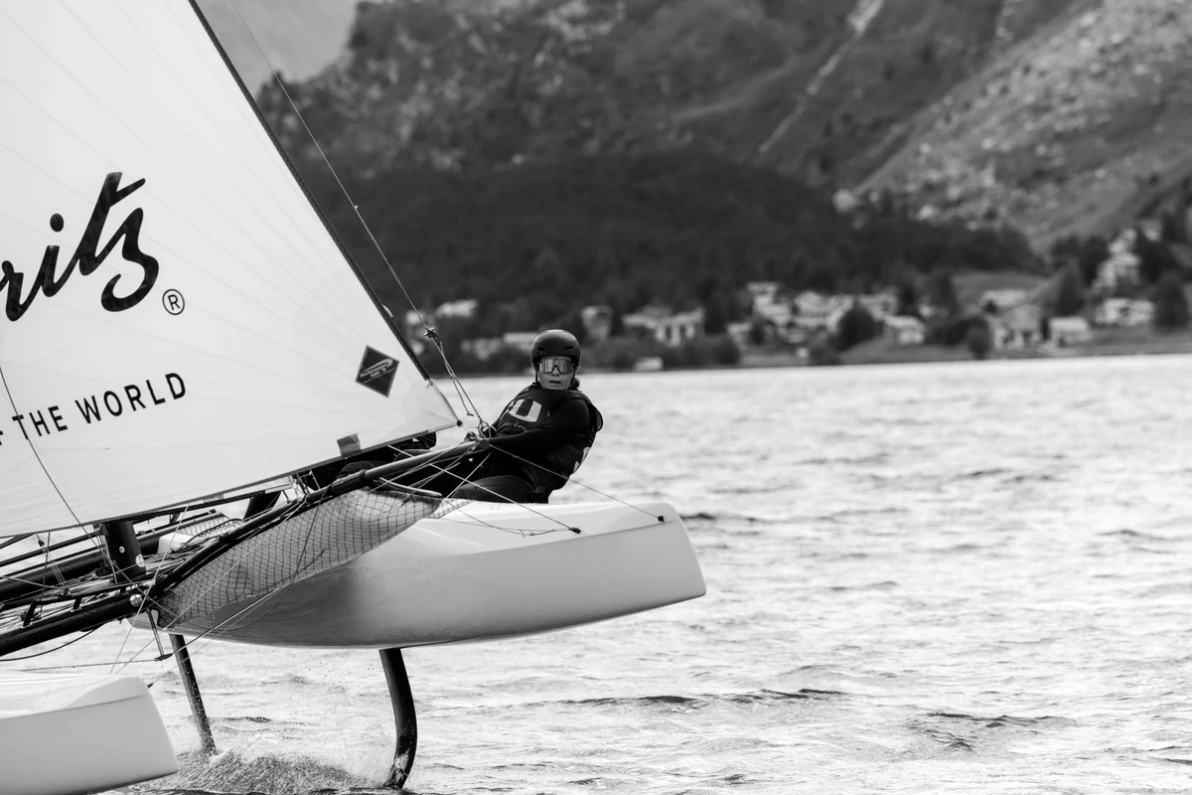
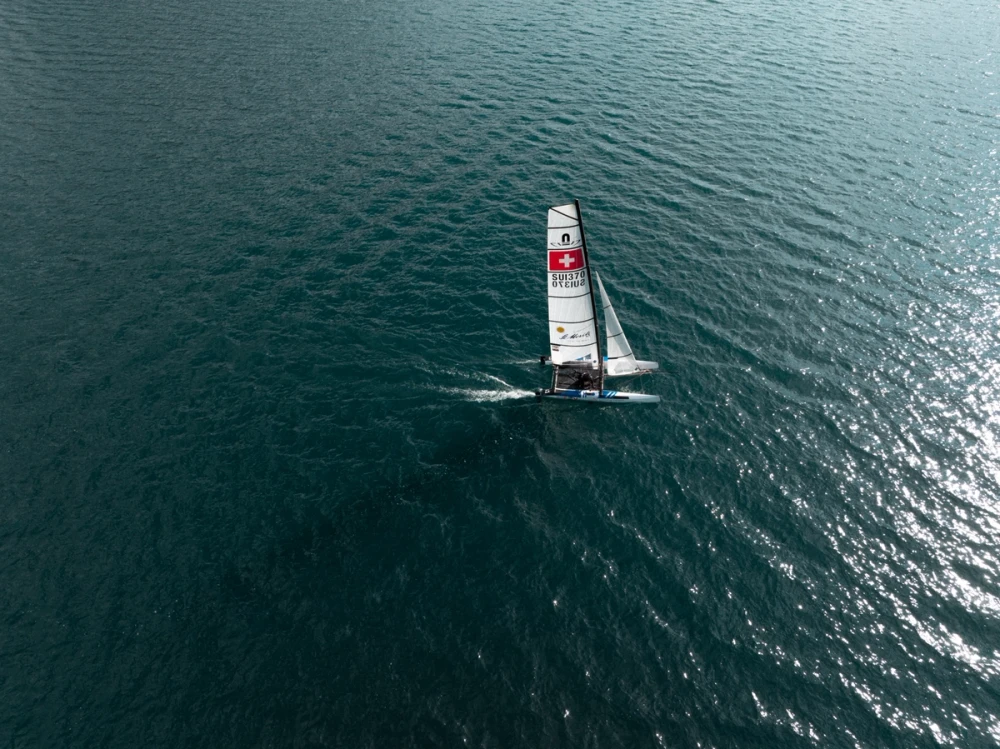
For me, the most fascinating thing is that you can only move using the power of nature; you can't use a motor at all. The fastest boats travel at speeds of over 100 km/h. With the Nacra 17, we can reach speeds of around 40 km/h, and even 50 km/h if the conditions are good. That's quite a speed! You feel incredibly free. It's a great feeling to travel so fast with the wind.
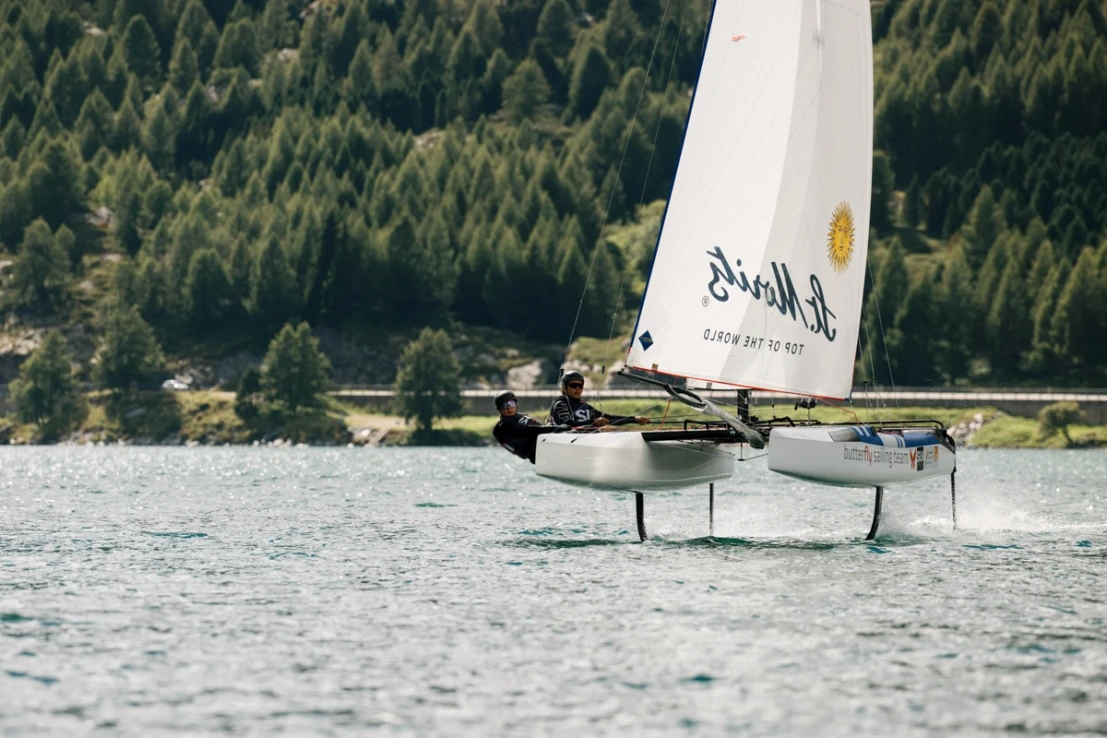
One unforgettable moment was the first time I 'flew' with the Nacra 17 — when the boat lifts out of the water. I just thought, 'Wow, that's cool!' At the same time, it was also a bit scary because you feel like you've lost control for a moment. The conditions at sea, with wind, waves and currents, were especially new to me in the beginning, but that's exactly what makes this sport so special.
What exactly does 'Nacra 17' mean?
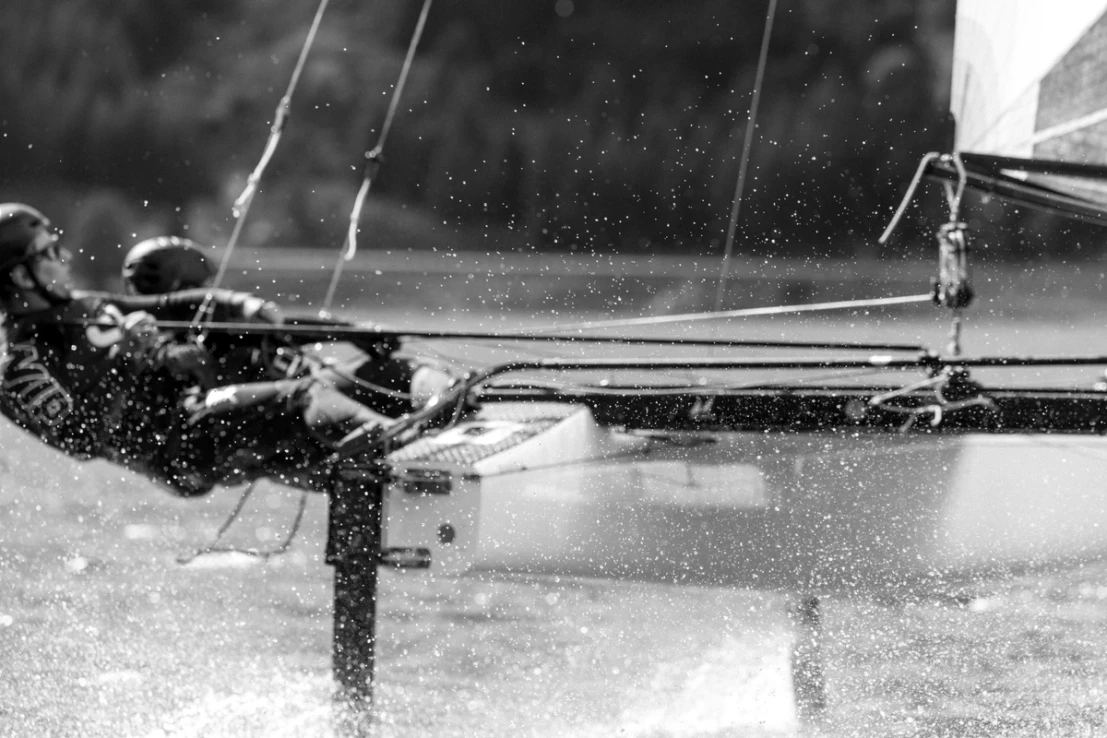
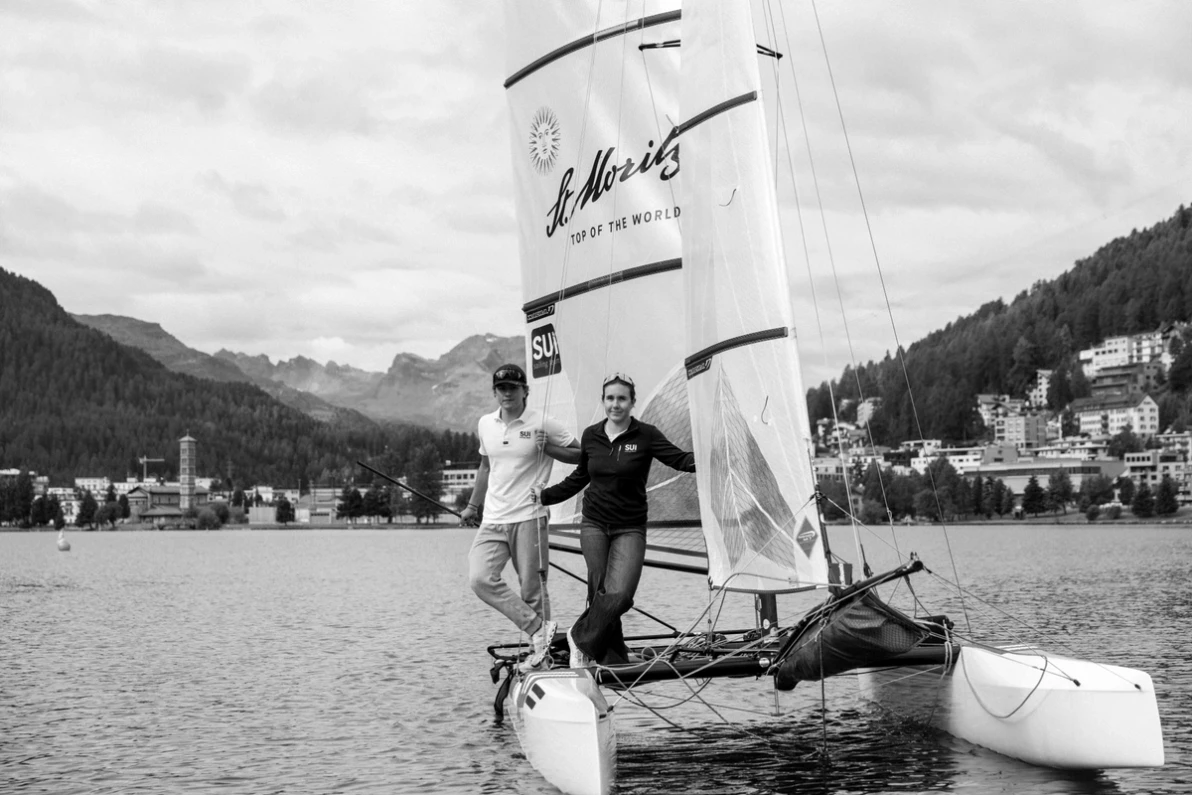
A Nacra is an Olympic-class foiling catamaran. 'Foiling' means that the boat is lifted out of the water by hydrofoils that work on a similar principle to the wings of an aeroplane. This greatly reduces resistance, allowing us to sail much faster.
The Nacra 17 is a mixed-gender boat, meaning that a man and a woman sail together. We decide who takes which position. My sailing partner, Andrea Aschieri, is in charge of steering and tactics, while I am on the foredeck.
In what ways does your background as a competitive athlete help you with sailing?
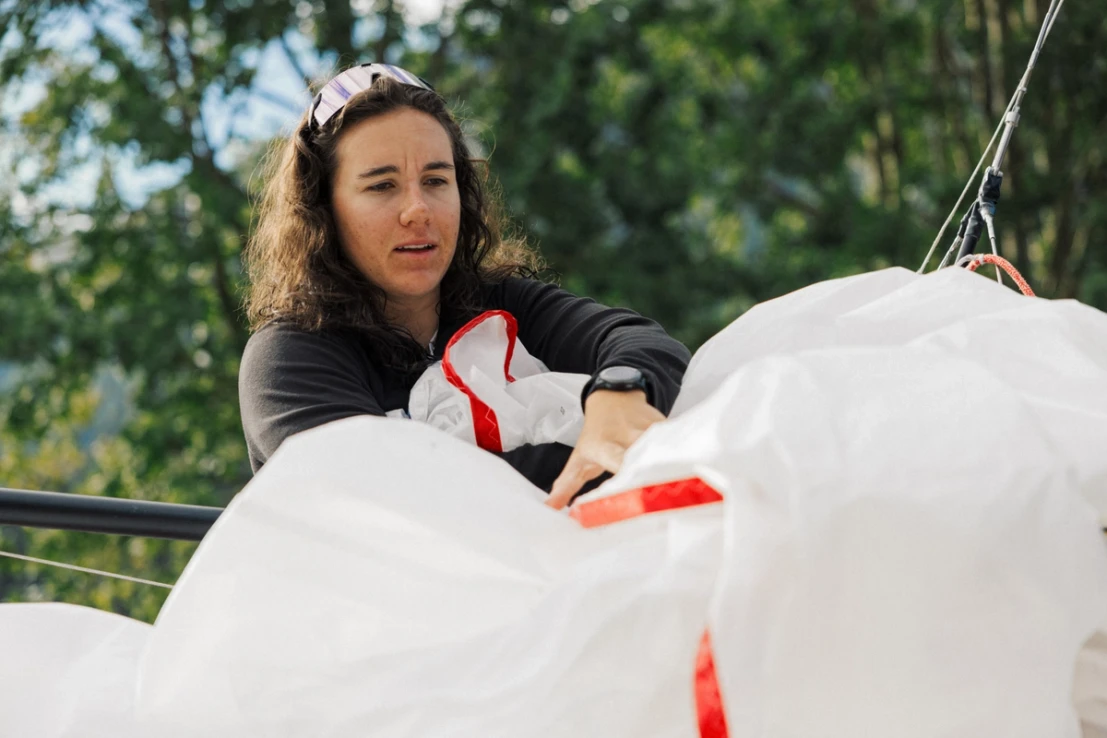
I know how much hard work is required to be successful, and that helps enormously. Of course, my fitness is also an asset: the bow position is physically very demanding — you could say it's like doing four hours of CrossFit!
I also brought with me my experience of handling lots of equipment. I had sworn never to lug equipment around again after skiing. Now, however, we transport everything in a trailer.
But that's time-consuming. For one day on the water, we need at least three days: one for setting up, one for sailing and one for packing away. That's why we try to stay in one place for as long as possible.
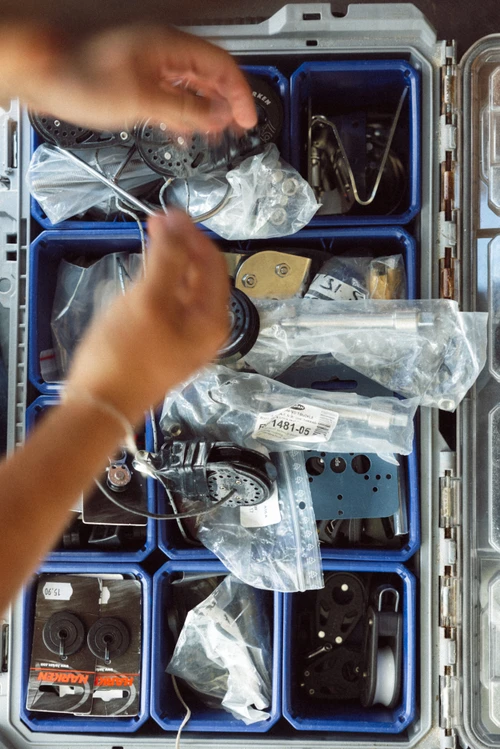
Even then, if we sail for two hours, we'll probably spend an hour on land repairing something. The boat needs a lot of maintenance.
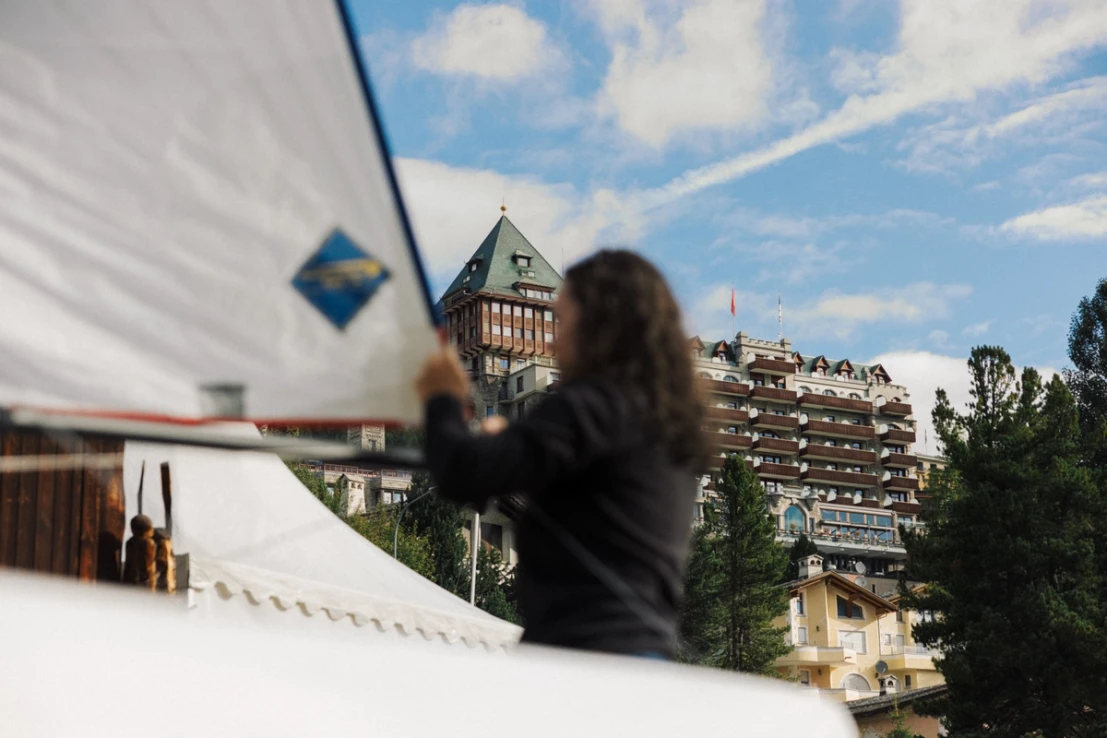
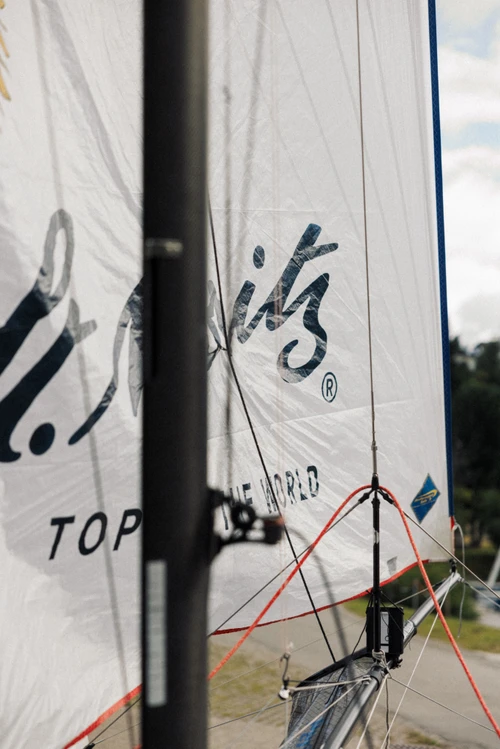
Your sail features the iconic St. Moritz logo. What does that mean to you?
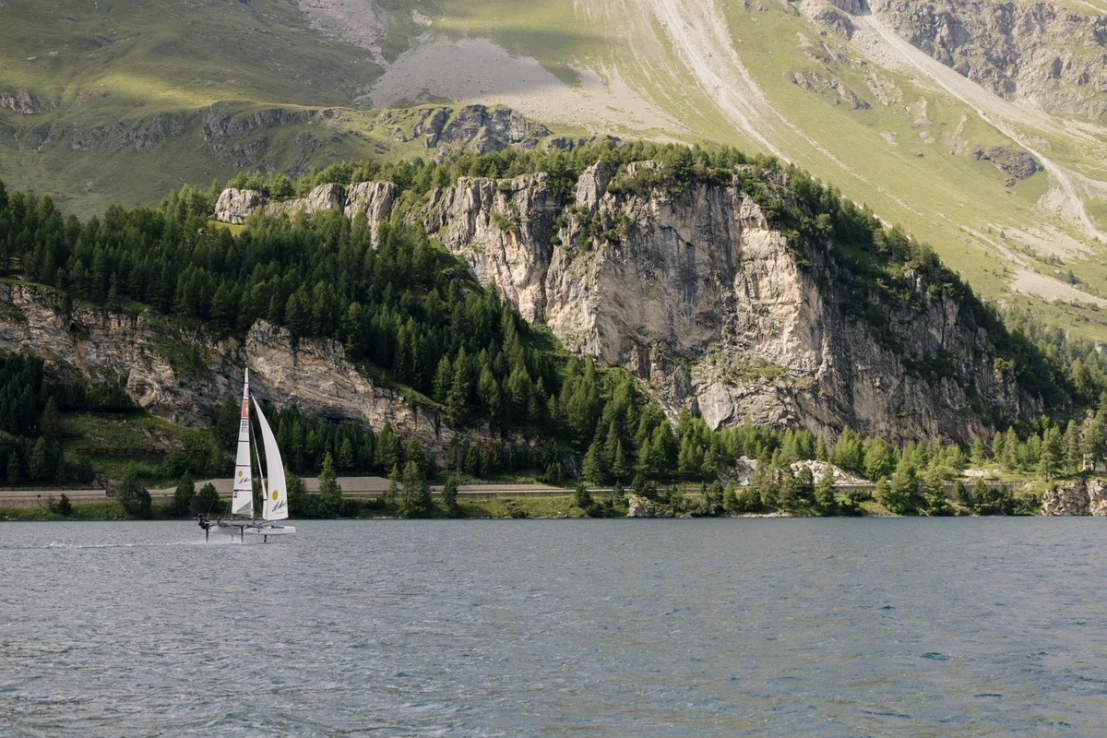
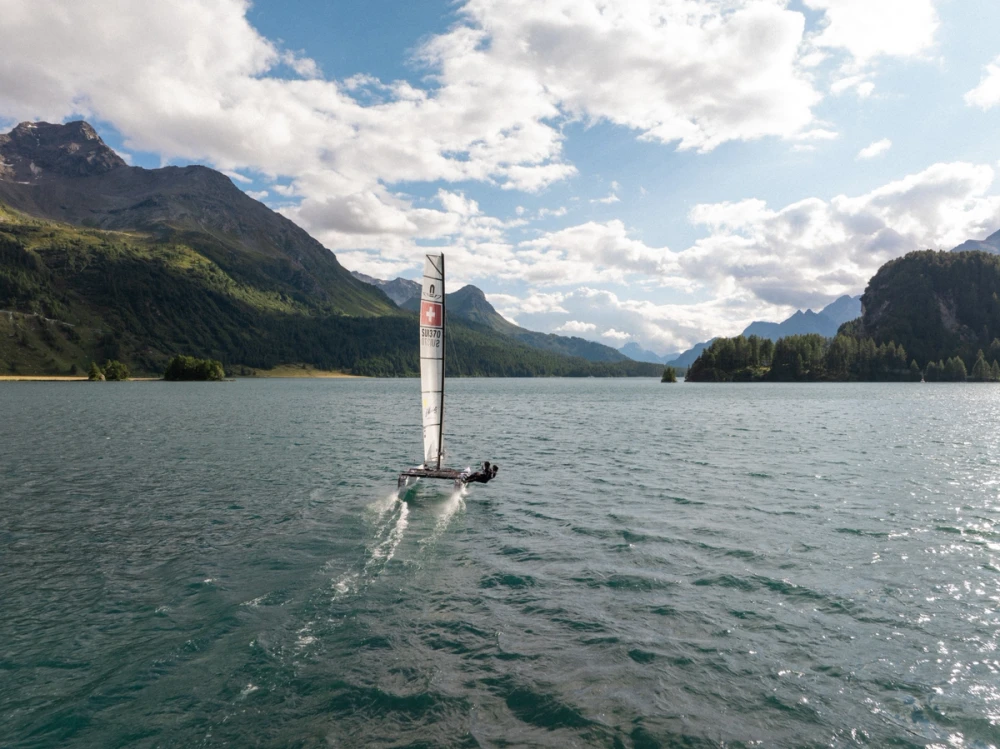
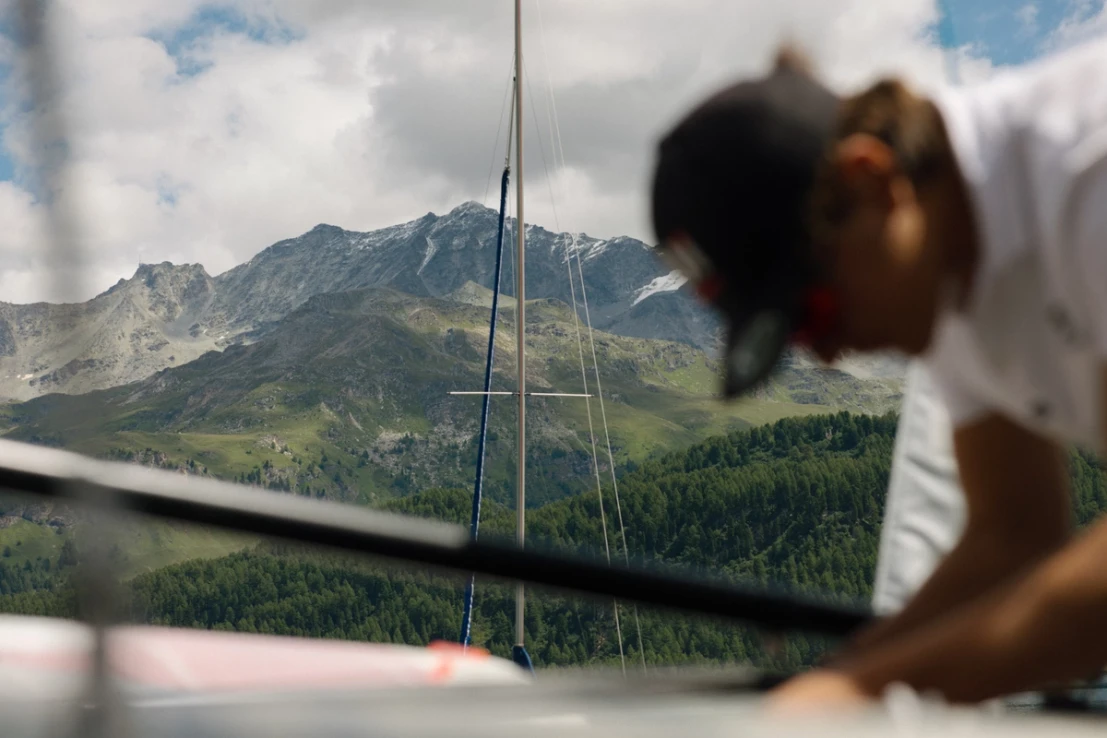
A lot – it's a part of home that I always carry with me. I discovered my passion for sailing in St. Moritz. It's a particularly nice place to train, even though the wind can be very changeable and challenging. That's why we mainly use the lake for manoeuvring training.
In my free time, I also like to be on the water, either with friends or alone in another boat. That's still my way of unwinding.
What are your long-term goals?
Our main goal is to participate in the 2028 Olympic Games in Los Angeles. To achieve this, Switzerland must first qualify as a nation, which will begin in 2026 with various World Cups.
There are currently two Swiss teams, both of which are made up of athletes who are around 20 years old. If Switzerland secures a place, the association will decide which team will go to the Olympics – only one place is available. And we are fighting all out for it!
More than flowers: “Plus quam flores” by Gian Giovanoli at the St. Moritz Design Gallery•A house of many lives: Villa Beaulieu, formerly home to Klinik Gut•“I Contain Multitudes”: Light art in public spaces by Marinella Senatore•Paris has a new fragrance. And St. Moritz takes centre stage: PARIS–ST. MORITZ by CHANEL.•