Equine Canvas
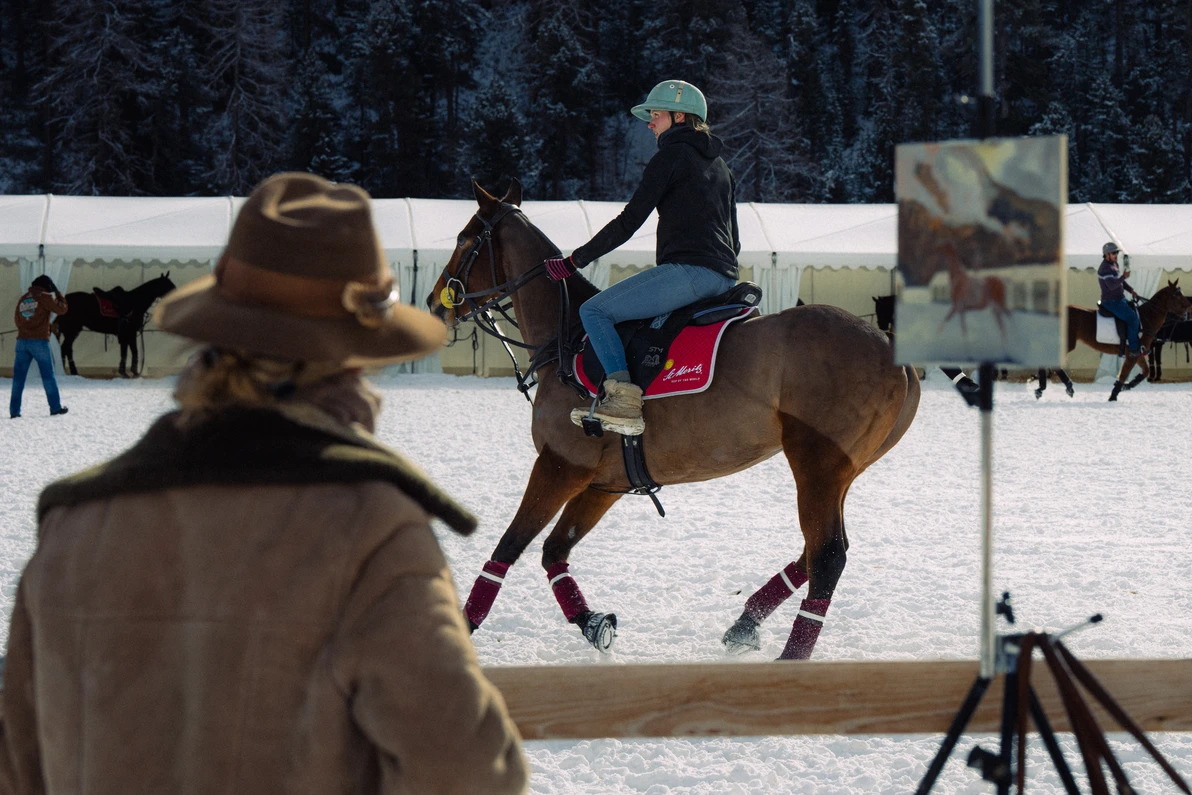
You could have painted anything — but you chose horses. What made them your lifelong subject?
I was obsessed with horses from a very early age, and I never painted anything else. Even when I was five, I would only ever draw horses. Painting and horses were my two passions — and they still are.
So did you always know you wanted to be an artist?
Not at all. I wanted to be a vet because I loved horses and wanted to look after them. But when I was 16, I failed my school exams and realised I wouldn’t be able to study veterinary medicine. My parents suggested I go to Florence and study painting instead. For three years we painted human portraits, but I knew I didn’t want to paint people. I only wanted to paint horses! As soon as I left, I committed to that completely, and I still do to this day!
How do horses compare as models to humans?
Horses move more, but they’re also never in a hurry. I always paint live, never from photographs, so I work with an assistant who helps position the horse. If a leg moves, we simply put it back where it was. Human models often have busy lives and limited time. Horses have the whole day. I can spend three hours with one horse at the stables — they don’t need to be anywhere!
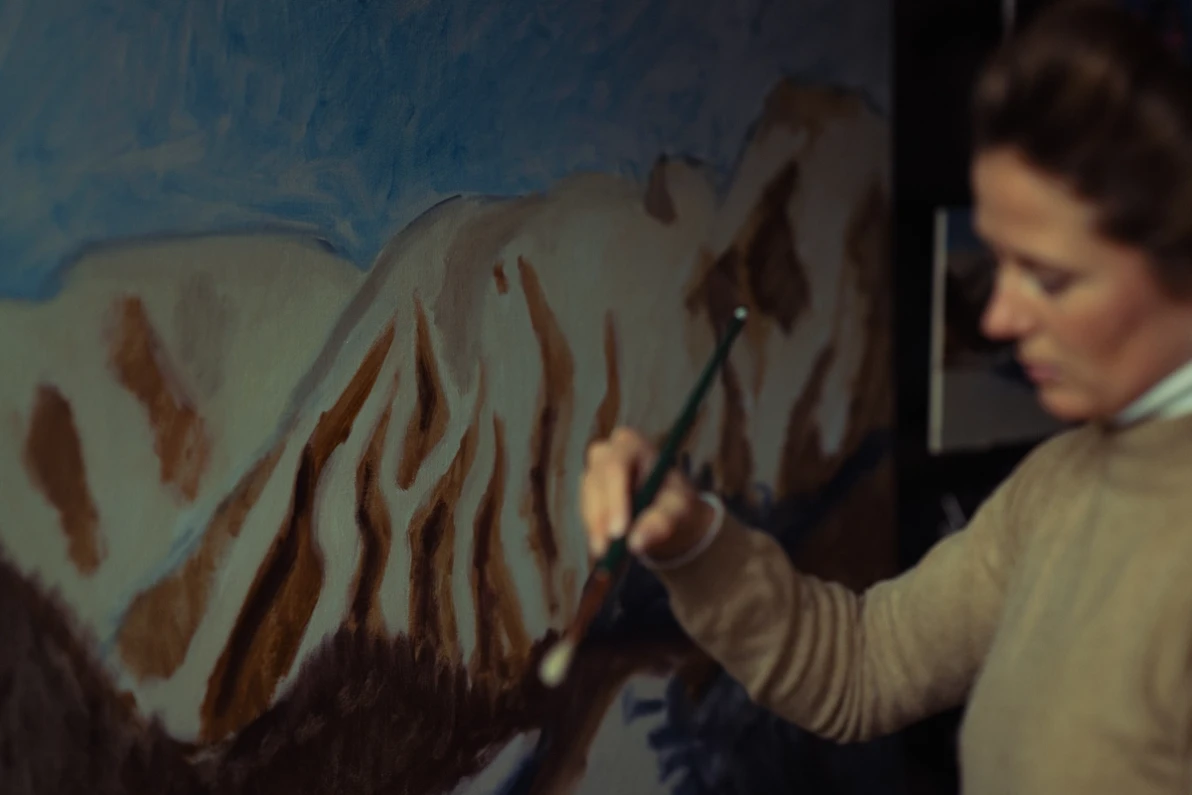
You often paint life-size. How does that work?
Life-size is my favourite! The bigger, the better. I love the idea that someone walks into a room and suddenly feels there is a horse standing there. Of course, not everyone has space for that, but for me scale doesn’t change the painting process itself — only the duration. A life-size work usually takes about two weeks.
Your work has taken you all over the world. What was one experience that stood out?
I’ve painted life-size in India, in Rajasthan, carrying canvases and paint in a tuk-tuk to the stables. What fascinates me most is how different horses are across cultures. My life ambition is to go ‘around the world in 80 horses’ and paint as many breeds as possible.
You once painted twelve ponies for Prince William — how did that come about?
Yes, he commissioned a portrait of all his polo ponies at the end of his career. I painted each horse individually and then composed them into a single long piece. He then gave one version to his groom, one to his brother, and smaller prints to the rest of the team who had worked with the horses.
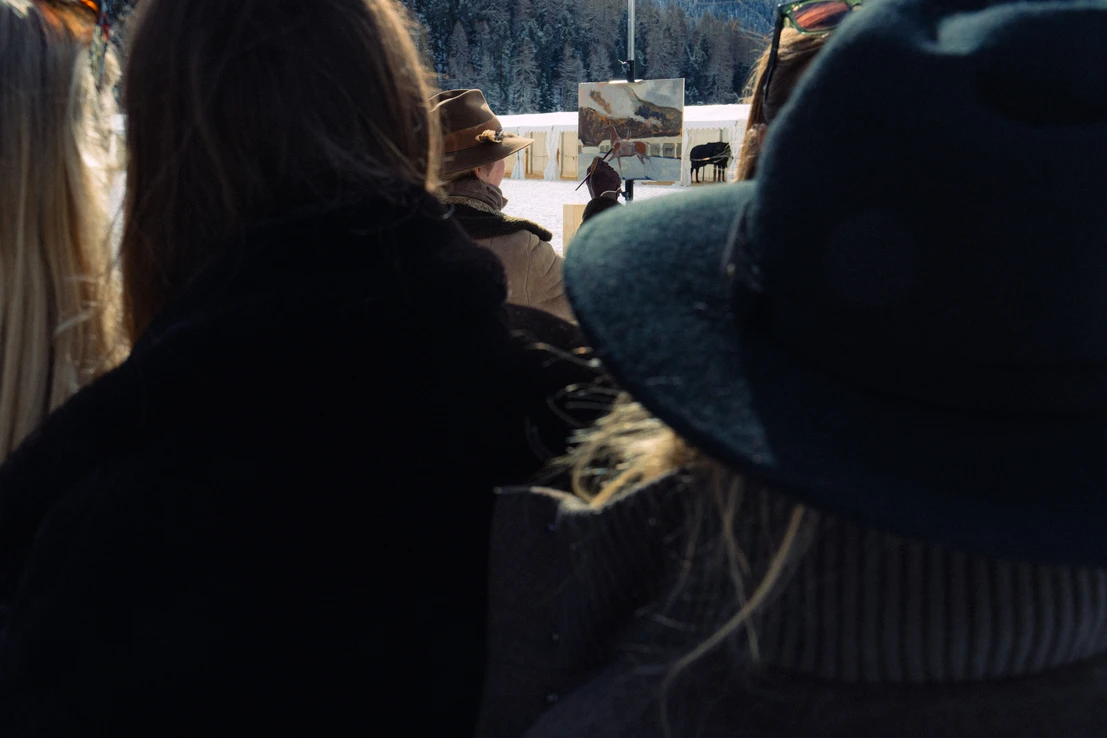
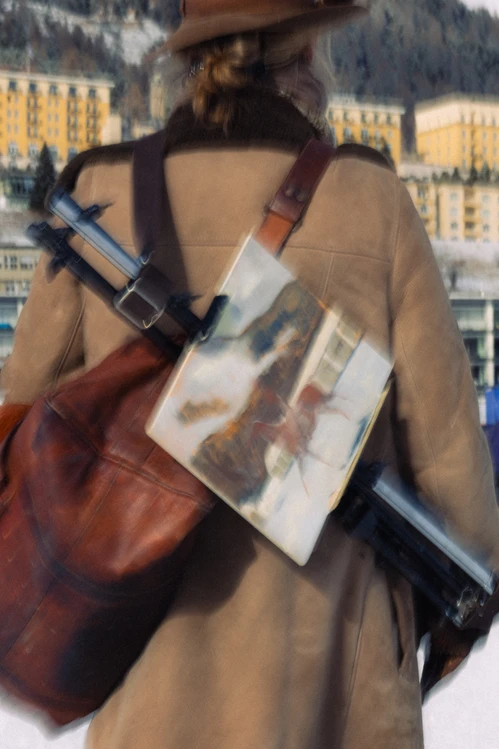
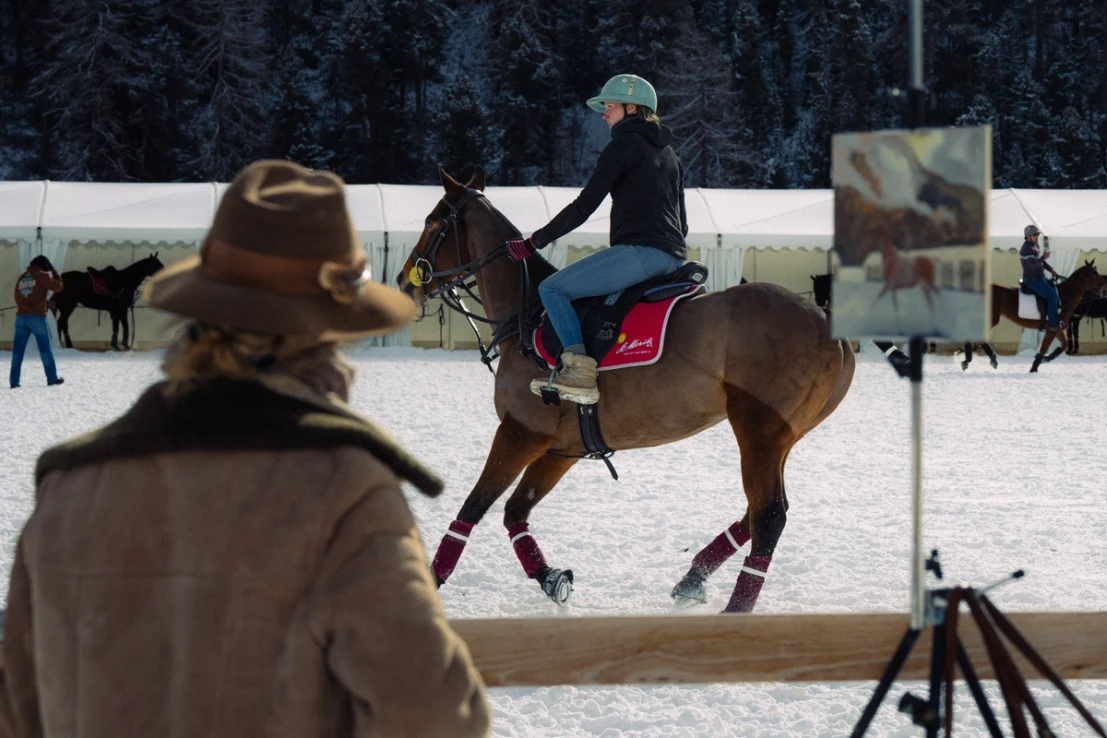
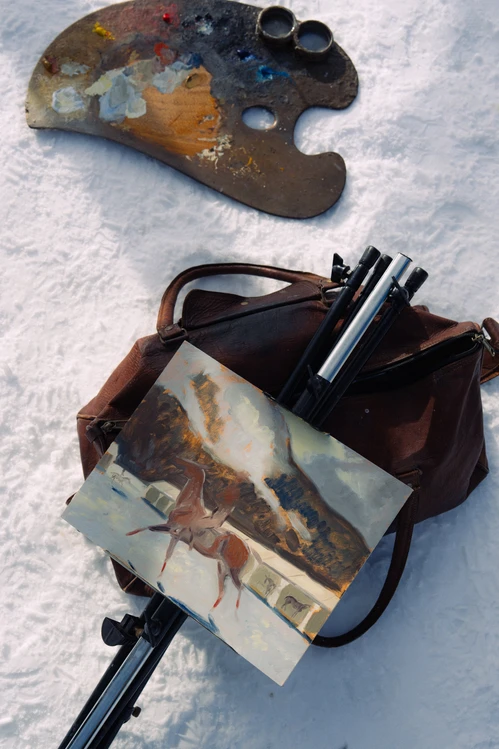
You recently painted at Snow Polo in St. Moritz. How did that differ from working in your studio?
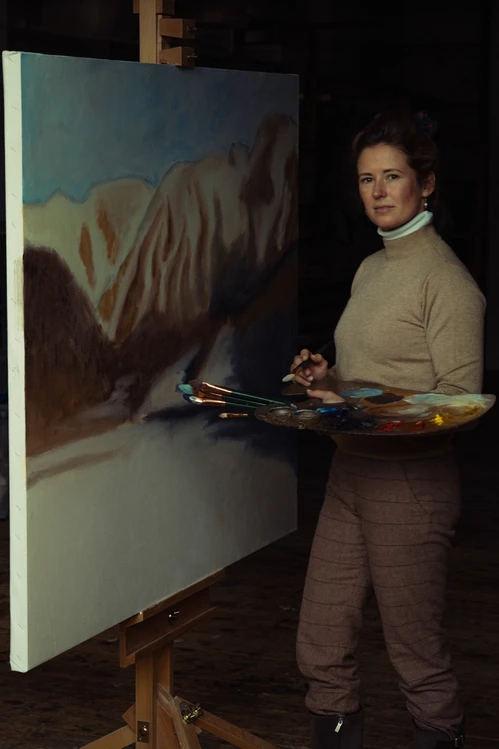
The location was spectacular — but cold! On the first day my fingers completely froze, so I learnt quickly to bring gloves and hand warmers. The snow was another challenge. It looks white, but it’s actually full of colour — blue or yellow — depending on light and weather. You can’t even wear sunglasses because it distorts the colours. I want to ask Giovanni Segantini how he painted outside!
And you were painting in front of a crowd!
That was a lot of fun! People stopped, watched, asked questions. And they all love horses, so conversation came naturally. I didn’t paint the game itself — the horses move too fast — so I positioned myself near the grooms, where the horses were being prepared. At one point a ball was knocked out of the game and came flying towards me, and people started shouting, ‘Careful of the easel!’
What is your modus operandi when you paint?
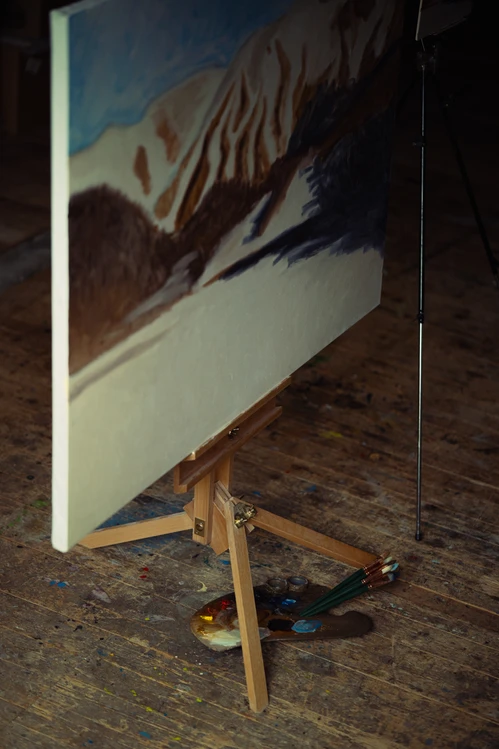
I make my paint myself. I work with just four colours: lead white, yellow ochre, vermilion red and ivory black. That’s how I was taught at art school. I don’t experiment much; I follow the rules, and I trust the process. For large works I often paint two canvases a day, one in the morning and one in the afternoon, because drying time slows me down. I even travel with hair dryers to speed it up! But the air up here in St. Moritz is perfect; the paint dries quickly.
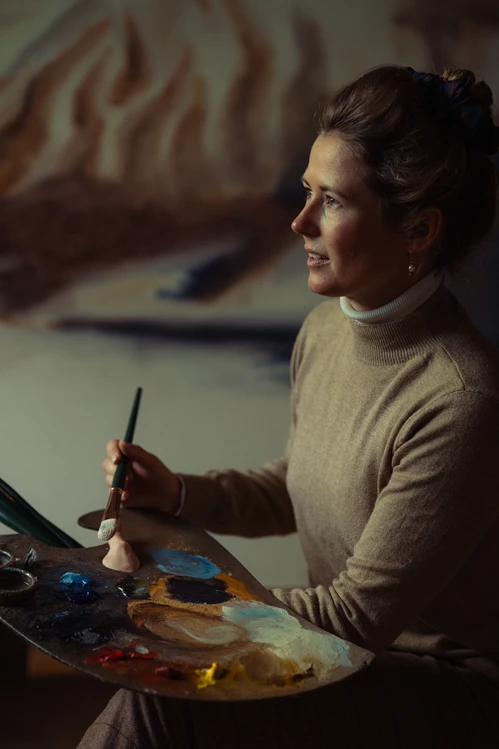
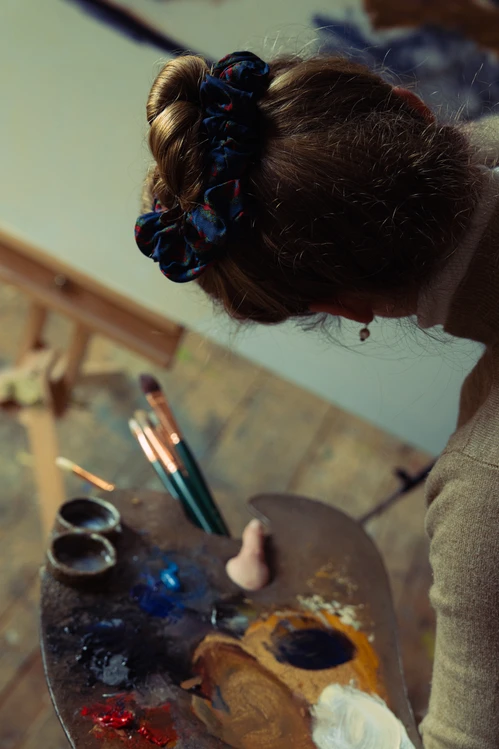
You have two horses of your own. How does painting them differ from painting clients’ horses?
They’re my favourite subjects. I know every inch of them, and there’s a lot of emotion in those paintings. They’re also completely comfortable around me. With a client’s horse, it’s like meeting a stranger — you have to tread lightly at first. But horses learn quickly. By the end of a session, they know exactly how to stand. They’re incredibly clever!
Snow Polo is over, White Turf is here. What are you preparing for?
I’m currently building all my canvases and painting landscapes in the studio at the St. Moritz Art Academy, where I’m spending three months as an artist in residence. When the racehorses arrive, I’ll add them live. I’ll be working in the parade ring — galloping horses disappear in seconds.
What would you say to your 16-year-old self, who thought failing her exams was a disaster?
At the time it felt like a crisis. But looking back, life makes strange turns for a reason. Often something better is waiting. And I’d tell her: You don’t need qualifications to live an exquisite life.
More than flowers: “Plus quam flores” by Gian Giovanoli at the St. Moritz Design Gallery•A house of many lives: Villa Beaulieu, formerly home to Klinik Gut•“I Contain Multitudes”: Light art in public spaces by Marinella Senatore•Paris has a new fragrance. And St. Moritz takes centre stage: PARIS–ST. MORITZ by CHANEL.•