Almost like flying on Lake Silvaplana
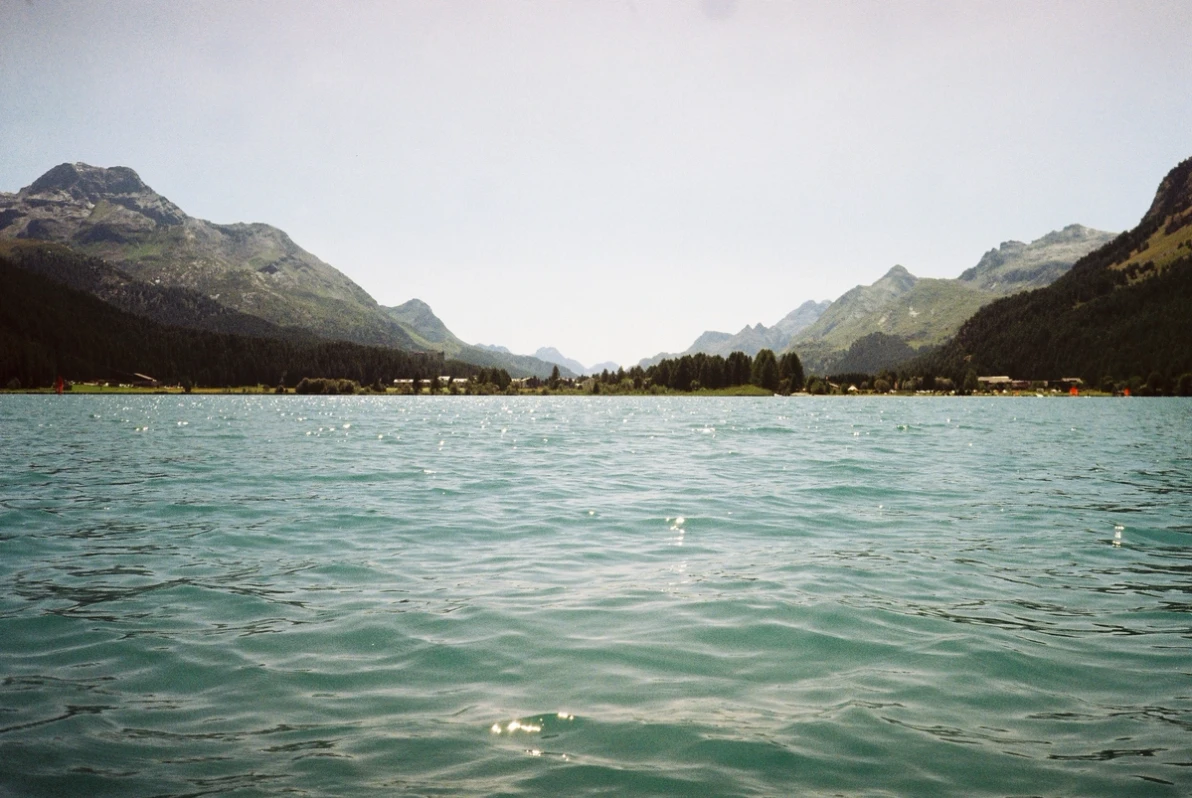
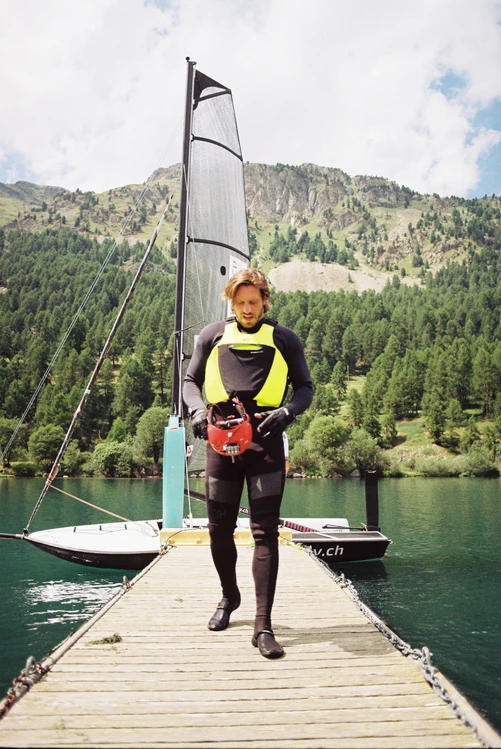
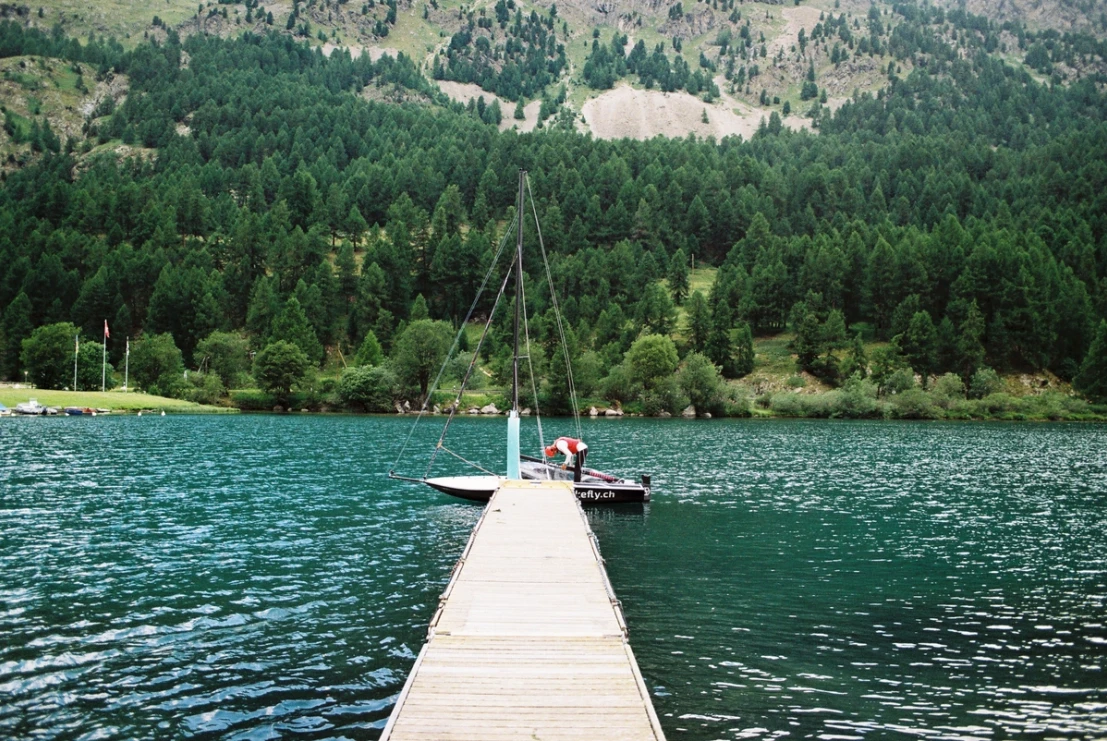
The concierge drove me to Lake Silvaplana, which lay a bright blue, reminiscent of the Caribbean. A light breeze caressed his face. Pine forests ventured right up to the shore. The boat was ready, and a friendly Swiss man greeted me and said he was Mathias, my sailing instructor. In winter, he worked as a ski instructor; in summer, he did this. Sailing was his passion, especially foiling. I asked what exactly that was, and he said I'd soon find out. He admitted I was a bit too heavy and the wind a bit too weak, but once we got the boat out of the water, my weight would be an advantage. He wasn't sure if we'd manage it today and said that if I didn't, it would be fantastic, almost like flying, only across the sea. Two hydrofoils beneath the water generate lift and low water resistance using currents. Otherwise, there was no theory; we went straight into the boat, learning by doing, just the way I liked it.
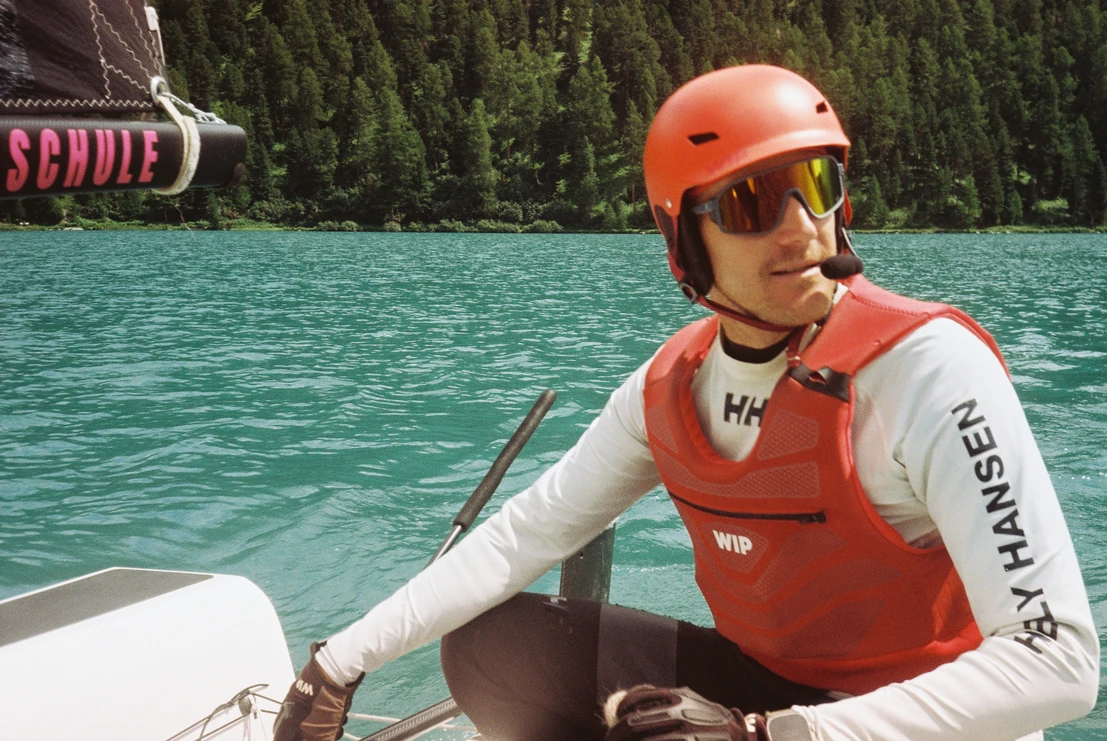
Of course, we were wearing all possible safety gear: wetsuits, life jackets, helmets with radios. I felt like an over-regulated Alpine nation, always striving for neutrality between the Axis powers. Mathias told me over the radio that the other sailors said it wasn't real sailing if you were talking over the radio and foiling, but he didn't care about them. Me neither, I said over the radio. He reiterated that we were a bit heavy, but if we managed it, it would help if I leaned my weight into the wind. We immediately hit six knots and took off.
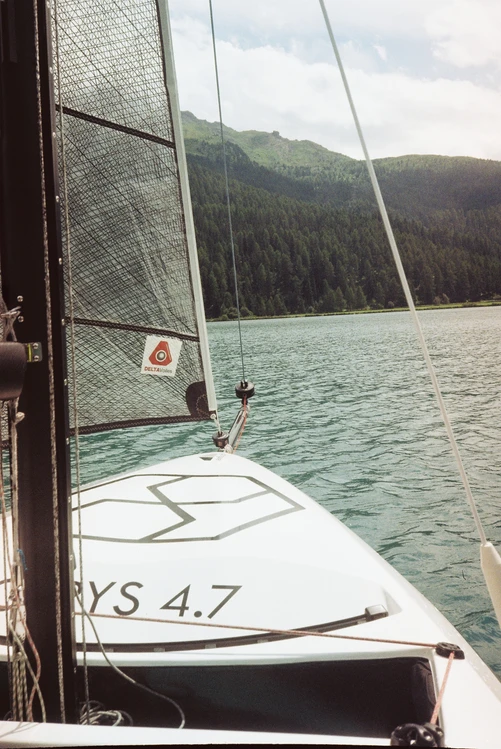
At 19, we were flying across the water, even though the wind wasn't even force 10. It's called apparent wind, because you're sailing downwind as soon as you catch a gust. You can't see the gusts themselves, but you see the water's surface and how it ripples, and you hope. Mathias sat at the helm in the back, holding the boom, while I was up front, ducking during tacks and holding the headsails, a jib, and the genoa. We did that a few times. The wind shifted from all directions. Mathias said it was crazy. I saw the gusts coming across the lake, and when there was actually wind and we managed to catch it, it was real sport, with tacking and making sure you didn't get knocked unconscious and killed by the boom.
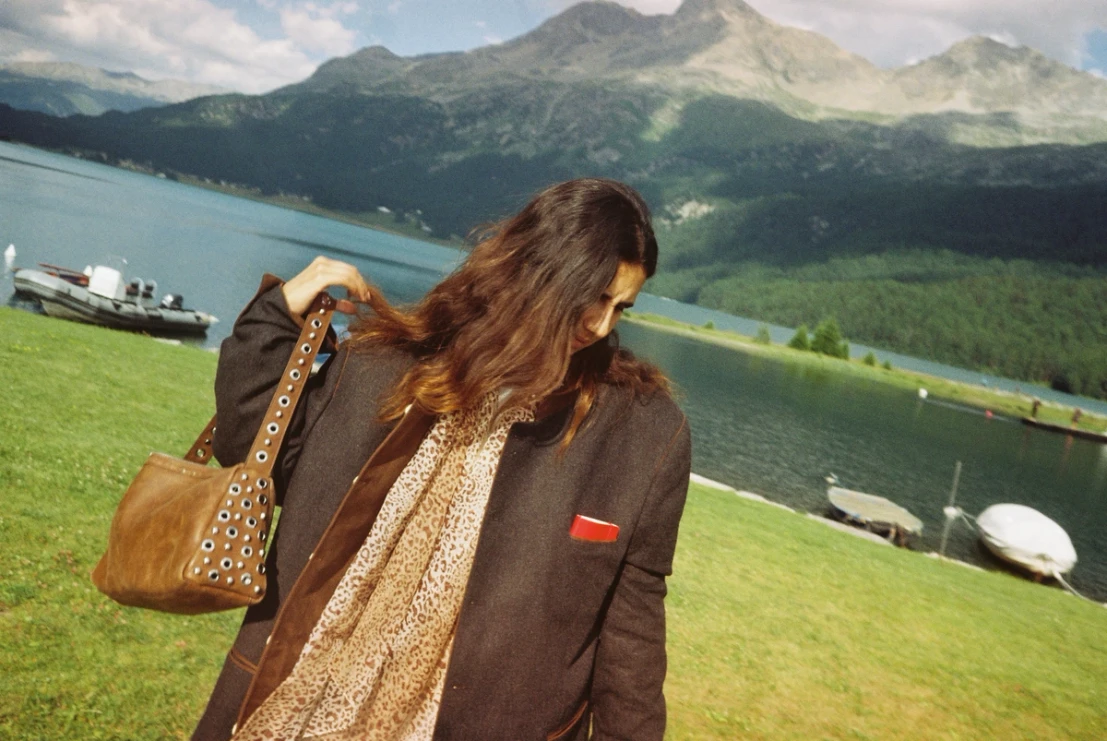
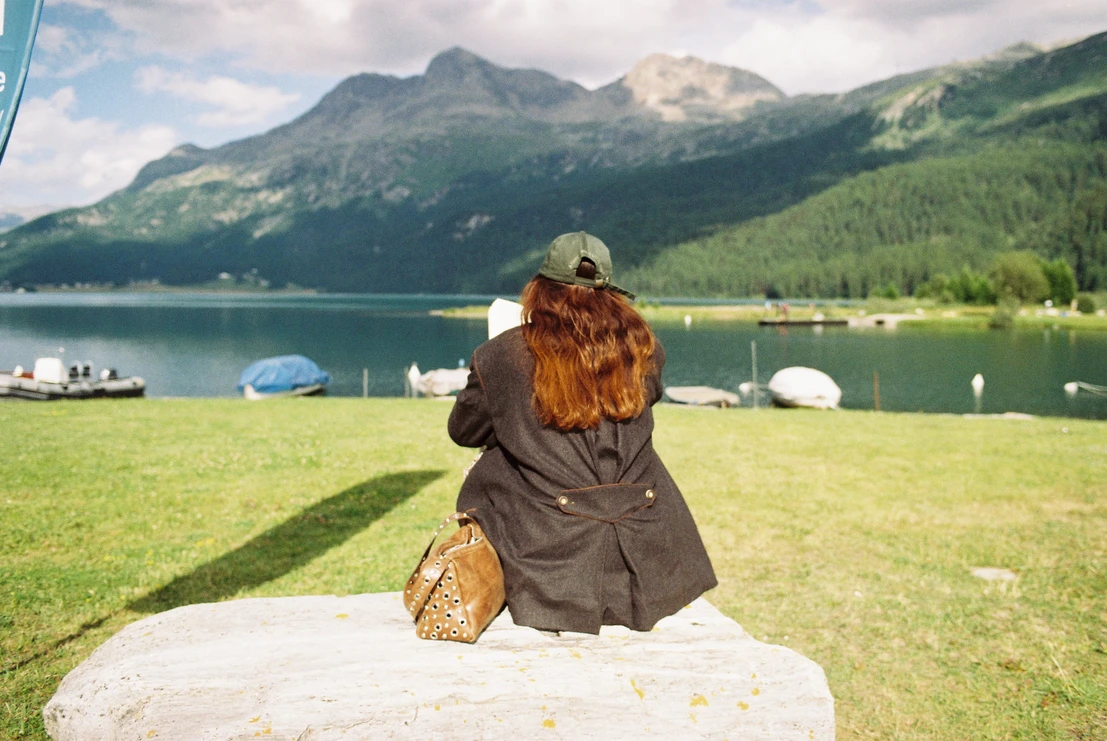
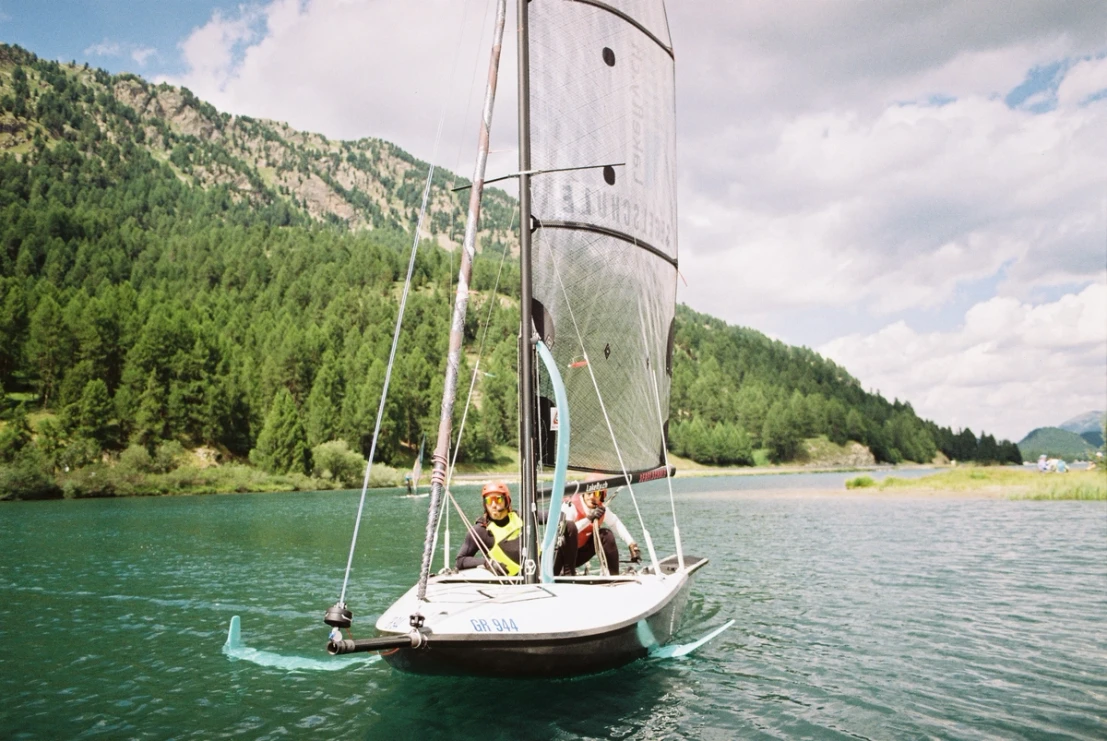
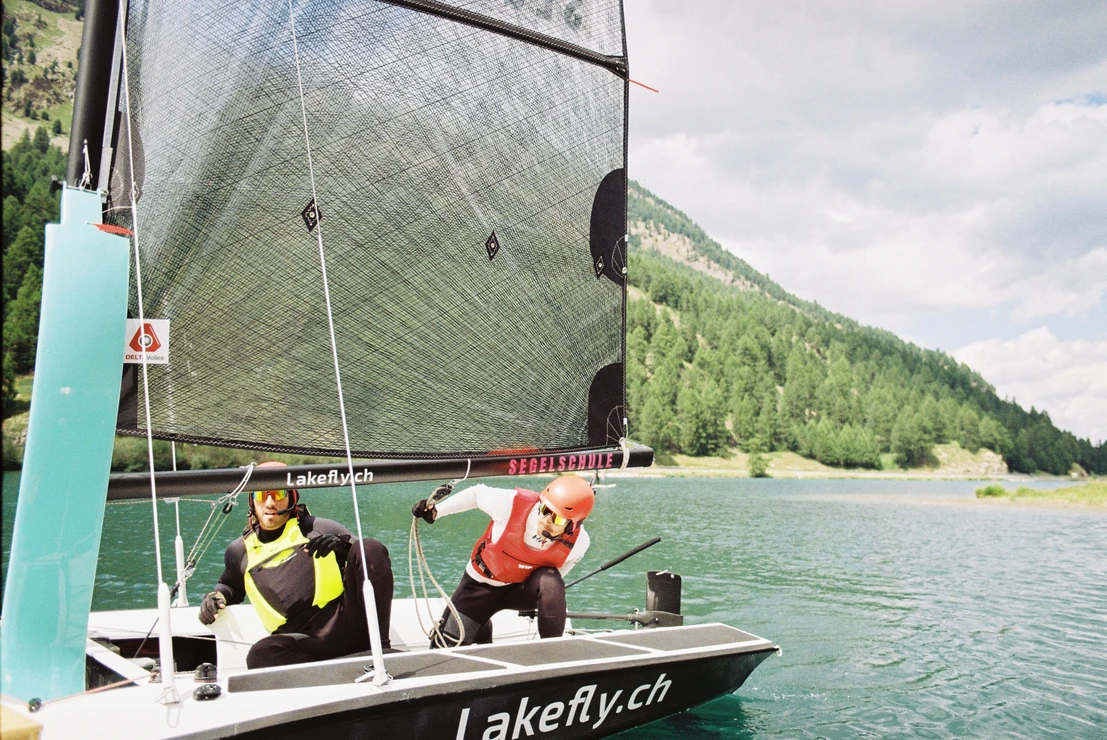
Sometimes nothing happened at all, and we waited and talked about sailing, feeling silly, so excessively bundled up in safety gear. It got warm in the dry wetsuit. Only the windsurfers looked even sillier without the wind. Mathias then told me a bit about how things usually go. I told him about the polo shirts and tennis shoes and the woman who married the Marquis in the Vatican, and how sailing had always been interesting to me, and in a way, it had always been like that. Here it was interesting because the boat was so small and so light that you got an immediate reaction to every action. Sailing wasn't just three hours of driving straight ahead between the Aeolian Islands, but real strategy, depending on the wind.
In regattas, there's one person solely responsible for the tactics: whether to take the fastest route, sail close-hauled, or simply go as fast as possible—a crucial distinction when considering right-of-way and its exploitation. Until then, regattas had always been, for me, simply about sailing straight ahead or zigzagging, depending on who was doing what and trying to cut someone off. Mathias explained to me how to sail fastest, how to choose the quickest route, and why Ferrari has now entered the sailing world, revolutionizing the whole thing. He emphasized that it's still sailing, or even more so, because in such strong winds, you're pushing buttons that, if you press the wrong one, could send you hurtling out to sea.
Small sailboats like his, without a keel, with a centerboard, can capsize, which he immediately demonstrated. He stood on one side until the boat tipped over and the mast fell to the water's surface. The mast then dropped vertically, and Mathias stood on top of it. To right the boat, he hung from the foil, then from the centerboard, until the boat slowly began to tilt, and then jumped back into the boat between the railing and the boom. It looked brutal, but he and the boat were built for it. I couldn't believe it. Nor could I believe how easily you can be thrown from the boat in just a few Beaufort and the forces involved. Once you've experienced 19 knots, you don't say anything so easily anymore, especially not that sailing at the push of a button isn't real sailing, as I've noticed, because with those kinds of forces, without hydraulics, you can barely suck on a Nimm2 candy. You felt it as soon as a gust hit. Then everything happened incredibly fast and was loud, and I had to lean forward, back, in, and out, letting out more line and less, and then pulling it tighter and tighter, with all my weight. It was fantastic to be on the boat like that, or lying out of the boat against the sails in the wind, feeling the wind and the power and everything else you don't feel on bigger boats when you're holding a drink and sailing straight ahead for hours. The weight, which had previously been a disadvantage, was then a blessing with all the pine forests on the hillside flashing by, on brutal rock, millions of years old, just like that, while we made this shared earthly moment on the lake as beautiful as possible.
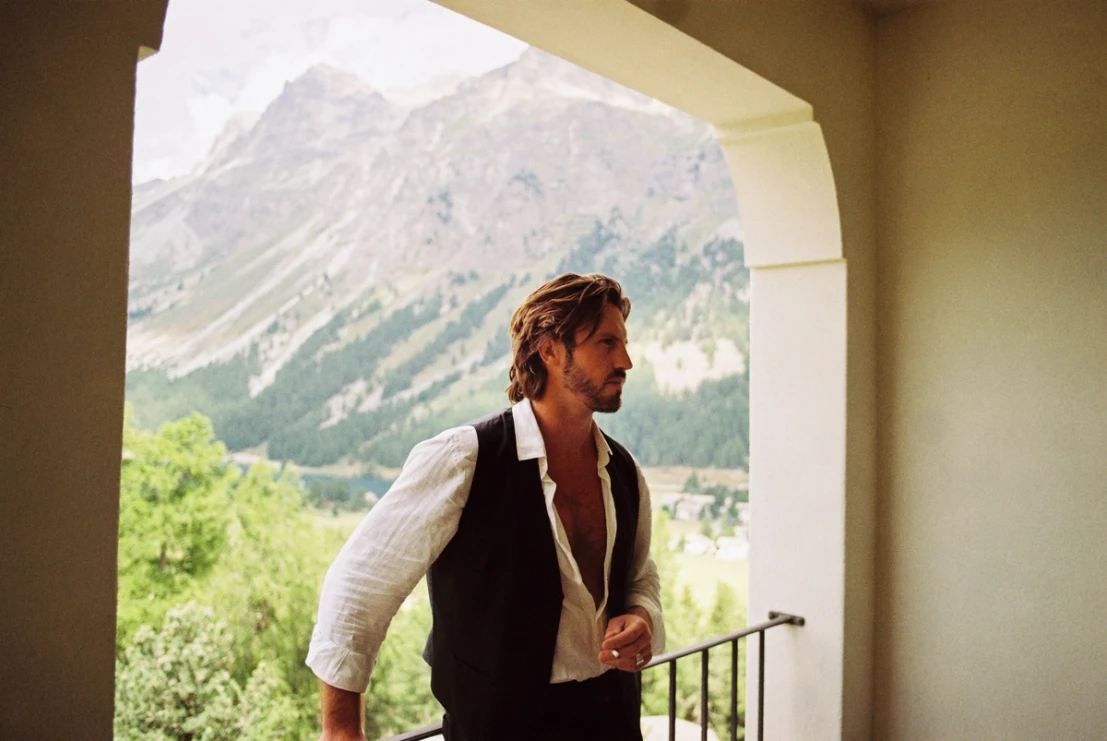
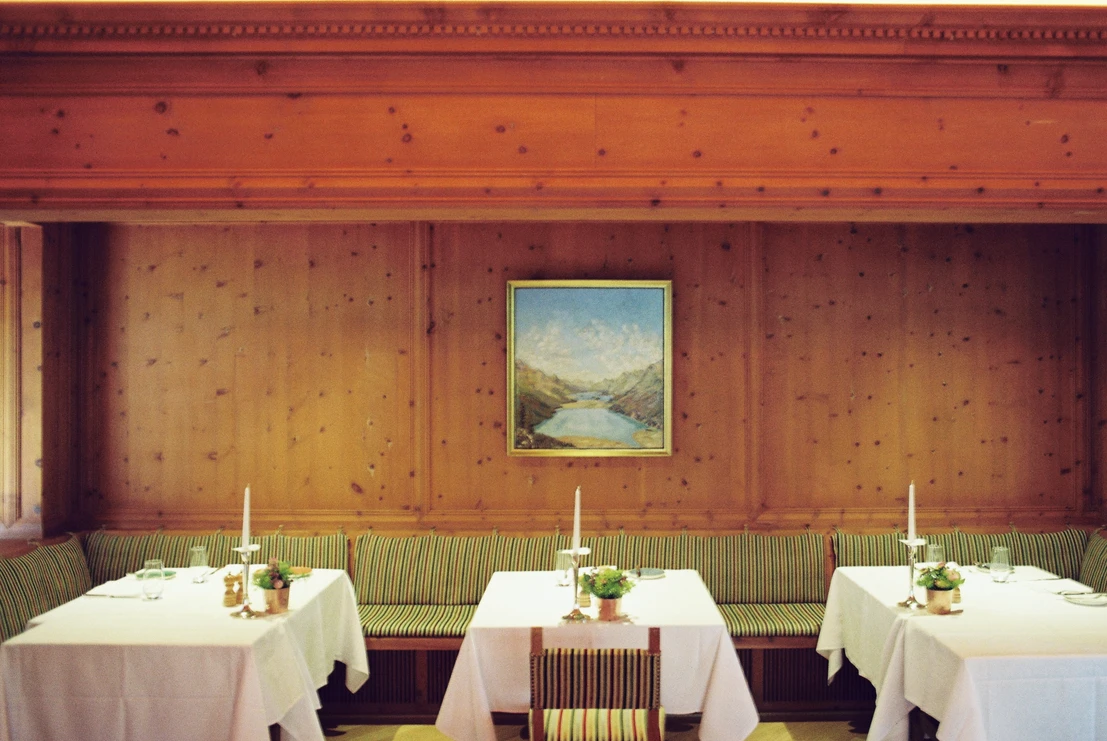
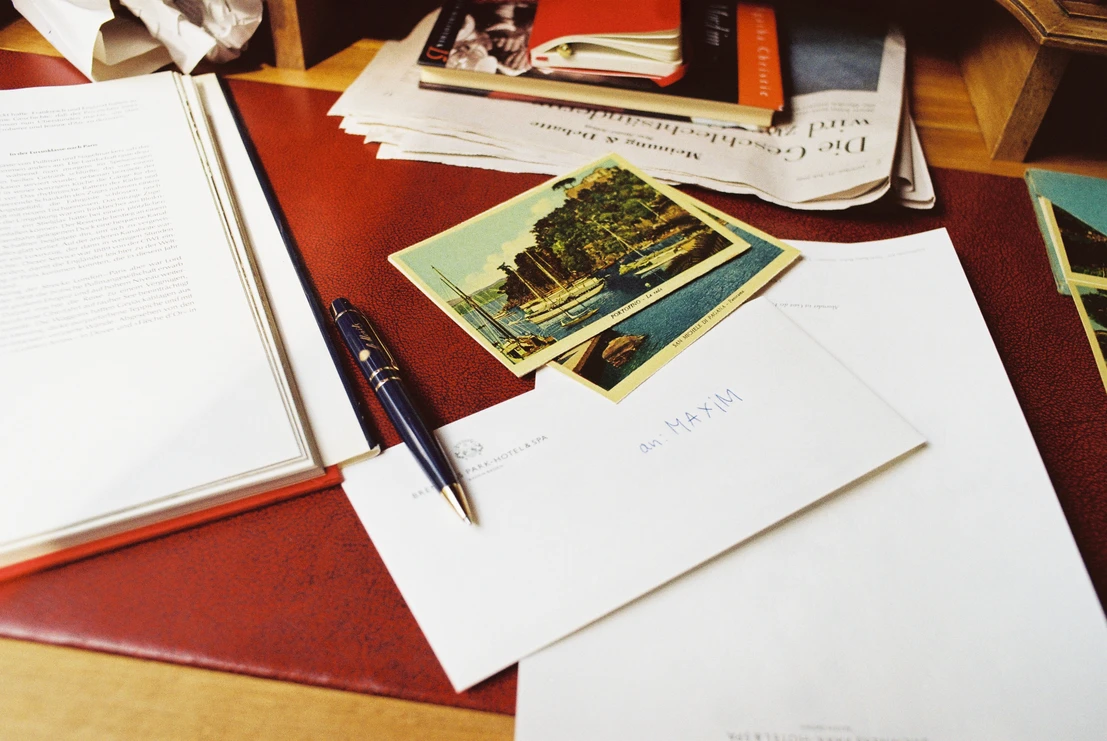
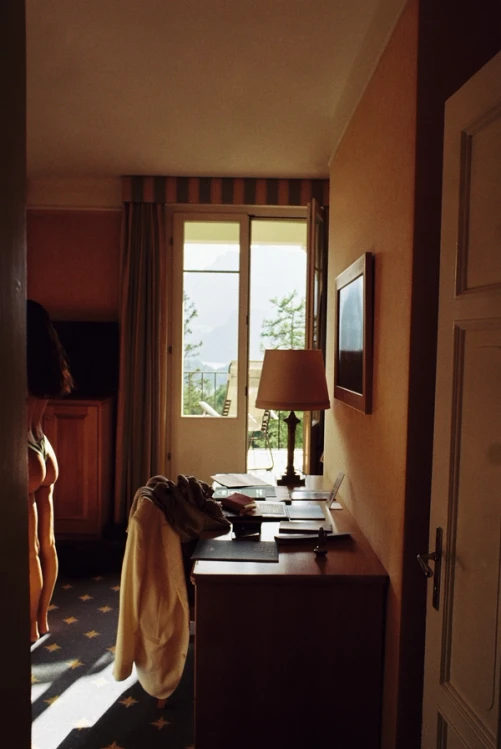
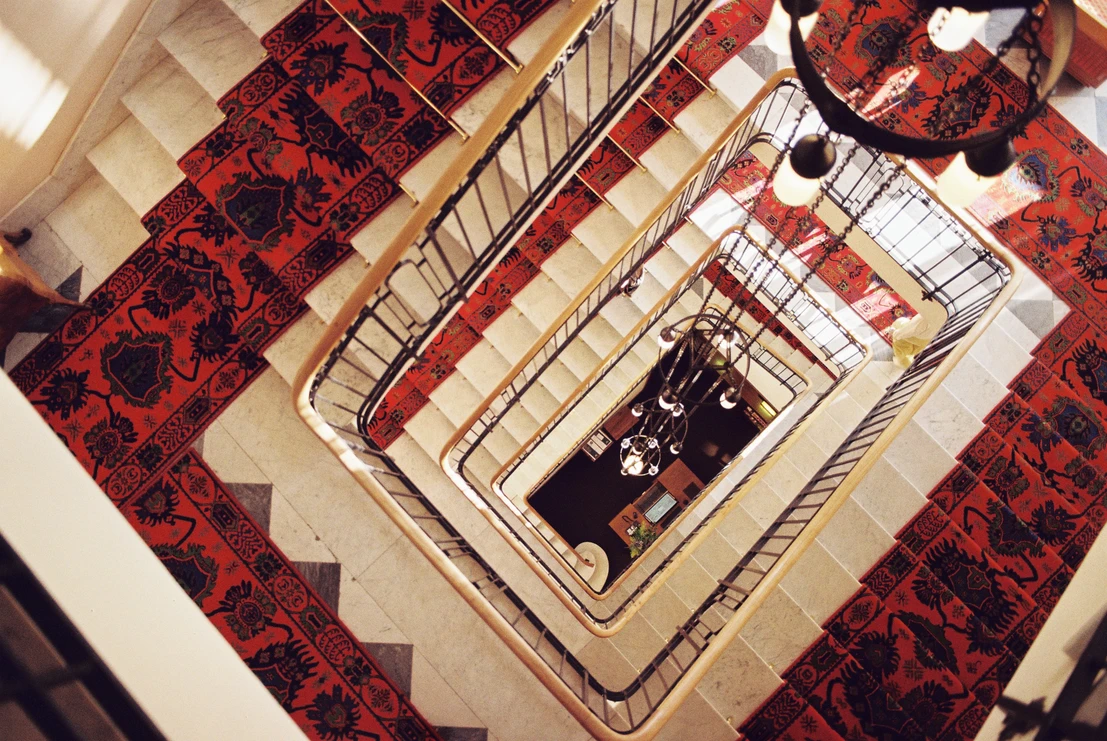
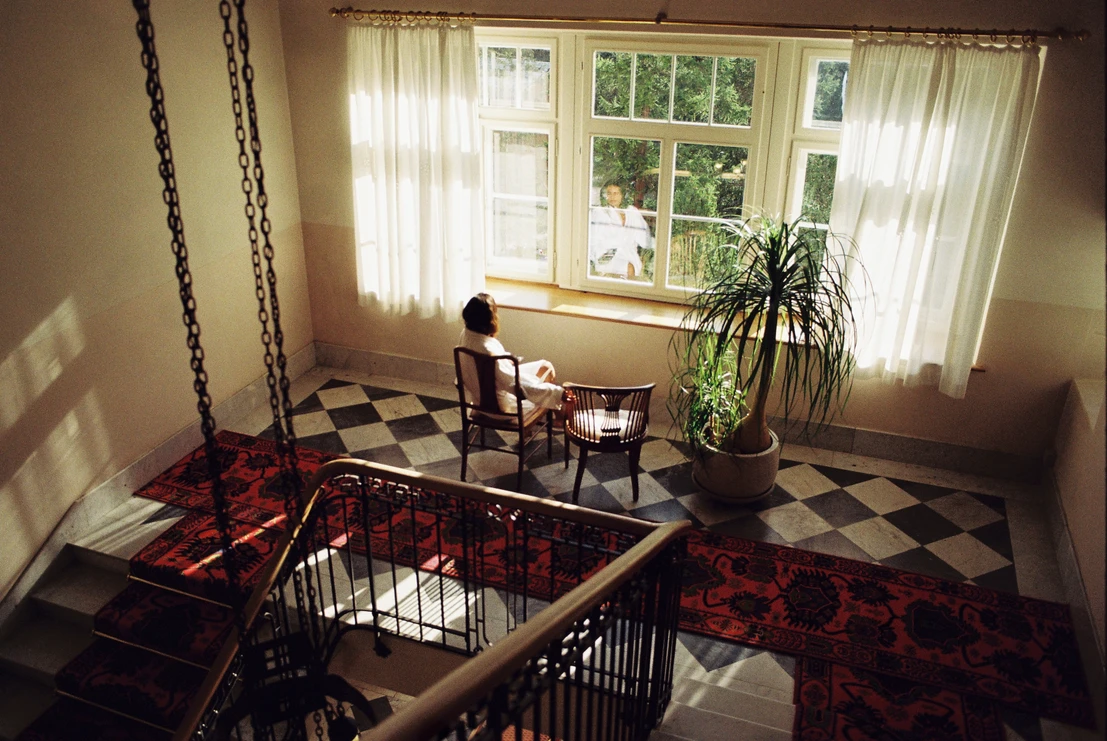
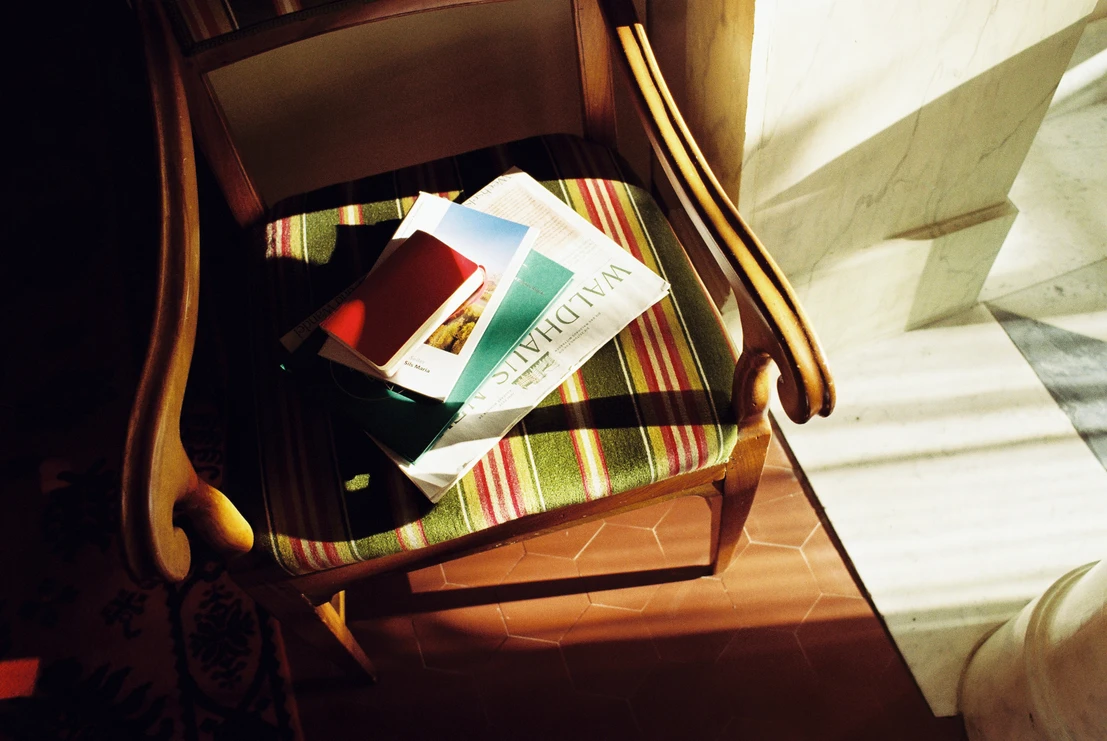
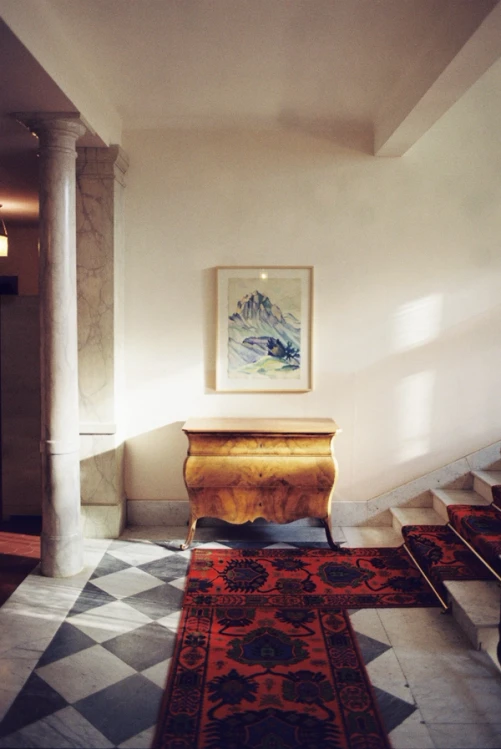
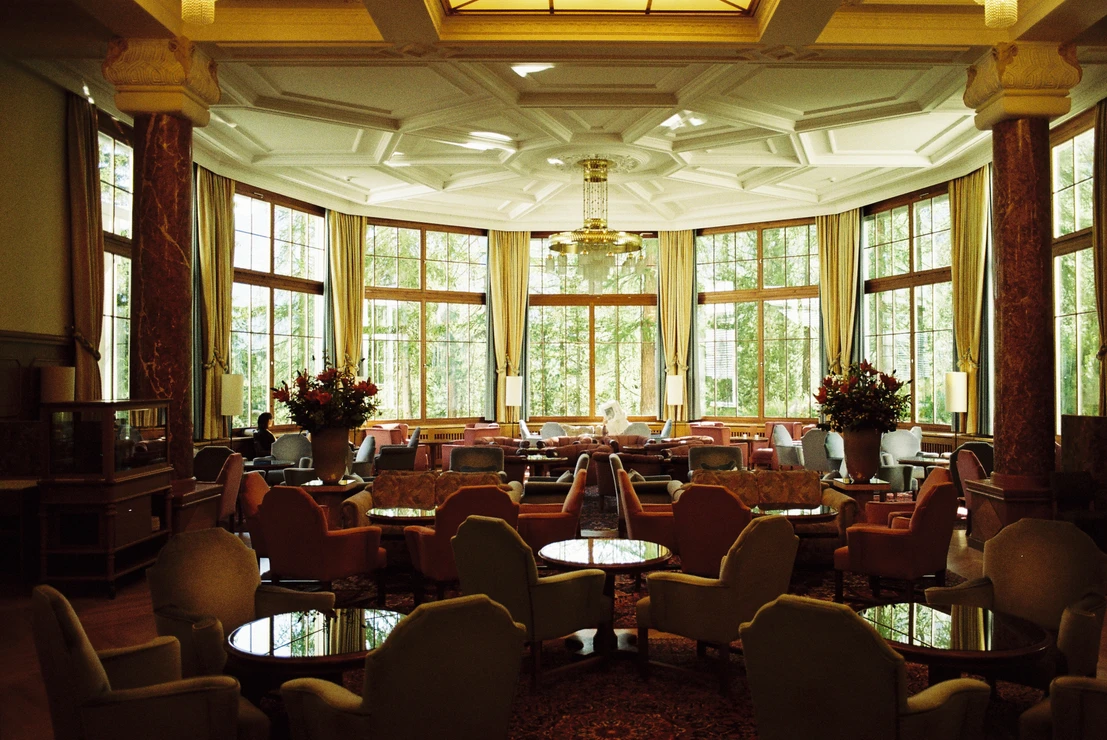
The only thing that sounds better than a sail in the Maloja wind is the sound of Emilia's cornfields. The waves rock you to a state you usually only experience after a bit too much wine in Italy. You have vivid dreams at night. You wake up early in the morning. The world is still blue, church bells are ringing, 16 degrees Celsius – something the Swiss already call summer. After breakfast, we played tennis, read in the lobby, or wrote letters, and I went sailing after lunch. It was lovely to be in a hotel and do things other than just sit around, like sports. She even came along once, but she's a real southern European woman who gets cold and has to eat when the wind is just right – the wind you've been waiting for your whole life.
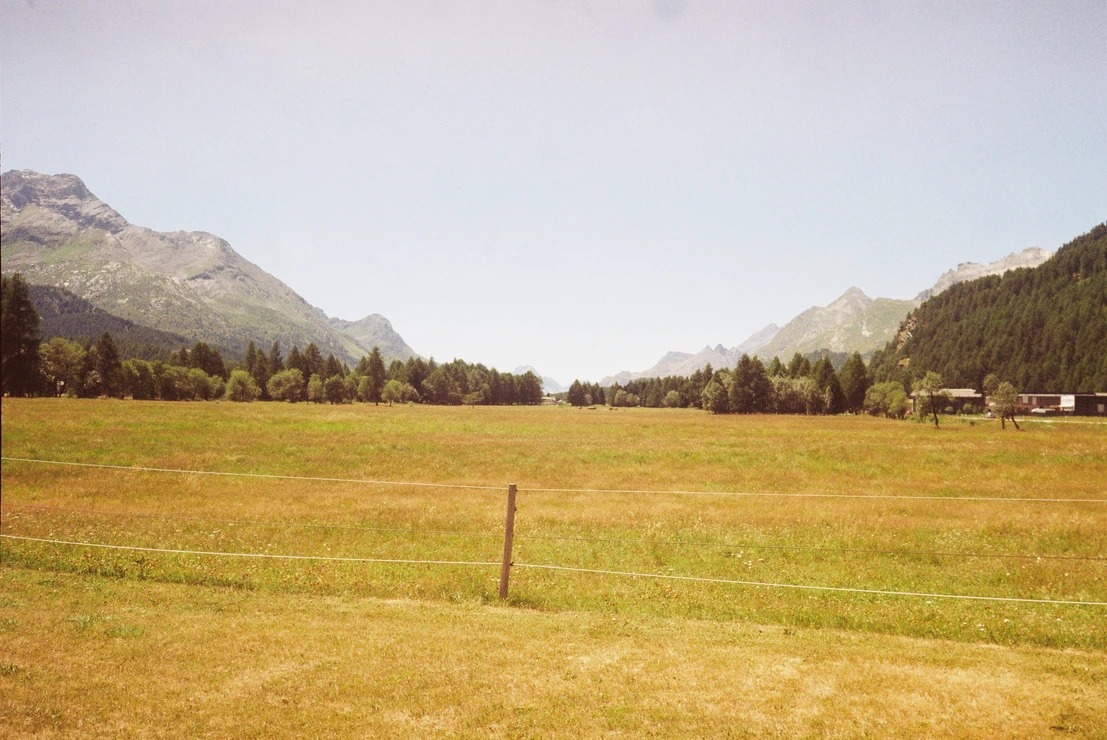
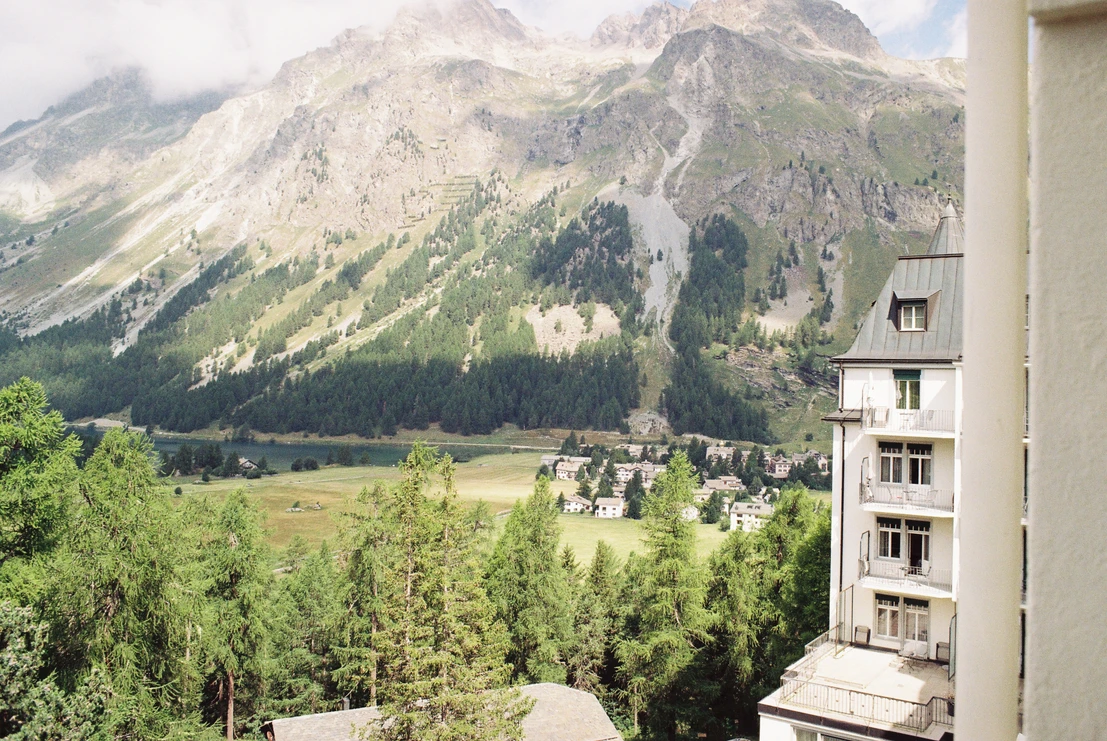
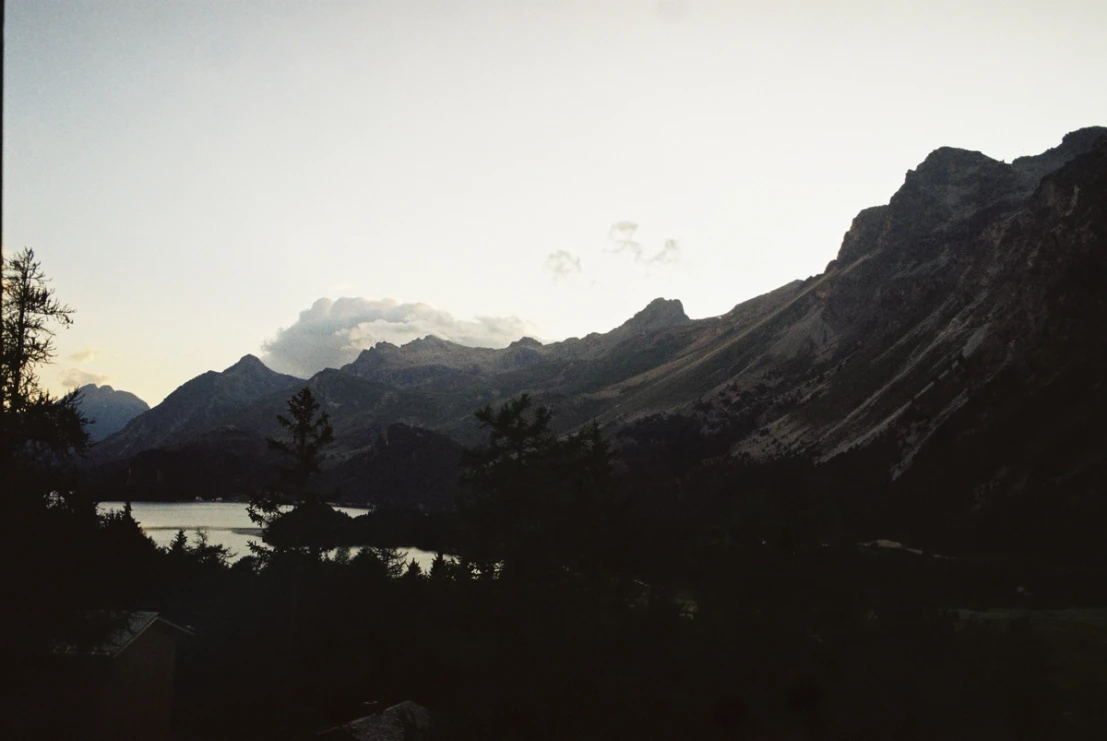
What I remember most is the light, especially in the mornings. It radiates from the stillness, in streaks across the mountains into the valley. The rock faces then allow no thoughts. What power emanates from such a might. Here, the moon still shone through the pines, as Romanticism would have wished. Golden-green meadows in the valley. A view more beautiful than television, even when it's about salami production in Ticino. We stayed like this for a while, breathing the thin air, never knowing in the mornings who we were, where we were, or how many of us there were. We stayed until we stopped greeting the Swiss, who never greeted us. Only the owners always greeted us, which is also tiring when you want to eat and don't like to chat in the mornings. You talk about Proust, Hesse, the weather, your mind wanders, and you think about how you spent your summer in the Engadine, fleeing the heat just like them.